

Advances in Pure Mathematics
Vol.3 No.9B(2013), Article ID:41121,7 pages DOI:10.4236/apm.2013.39A2001
Riesz Means of Dirichlet Eigenvalues for the Sub-Laplace Operator on the Engel Group
Department of Applied Mathematics, Northwestern Polytechnical University, Xi’an, China
Email: xuejingjingsx@163.com
Copyright © 2013 Jingjing Xue. This is an open access article distributed under the Creative Commons Attribution License, which permits unrestricted use, distribution, and reproduction in any medium, provided the original work is properly cited.
Received September 27, 2013; revised October 27, 2013; accepted November 5, 2013
Keywords: Engel Group; Sub-Laplace Operator; Eigenvalues; Riesz Mean
ABSTRACT
In this paper, we are concerned with the Riesz means of Dirichlet eigenvalues for the sub-Laplace operator on the Engel group and deriver different inequalities for Riesz means. The Weyl-type estimates for means of eigenvalues are given.
1. Introduction
The Engel group 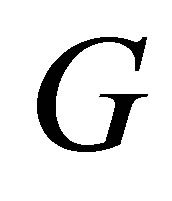 is a Carnot group of step
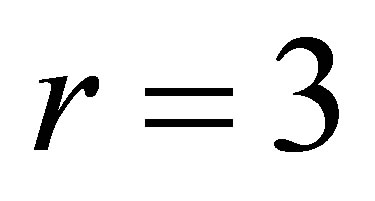 (see [1]), its Lie algebra is generated by the left-invariant vector fields
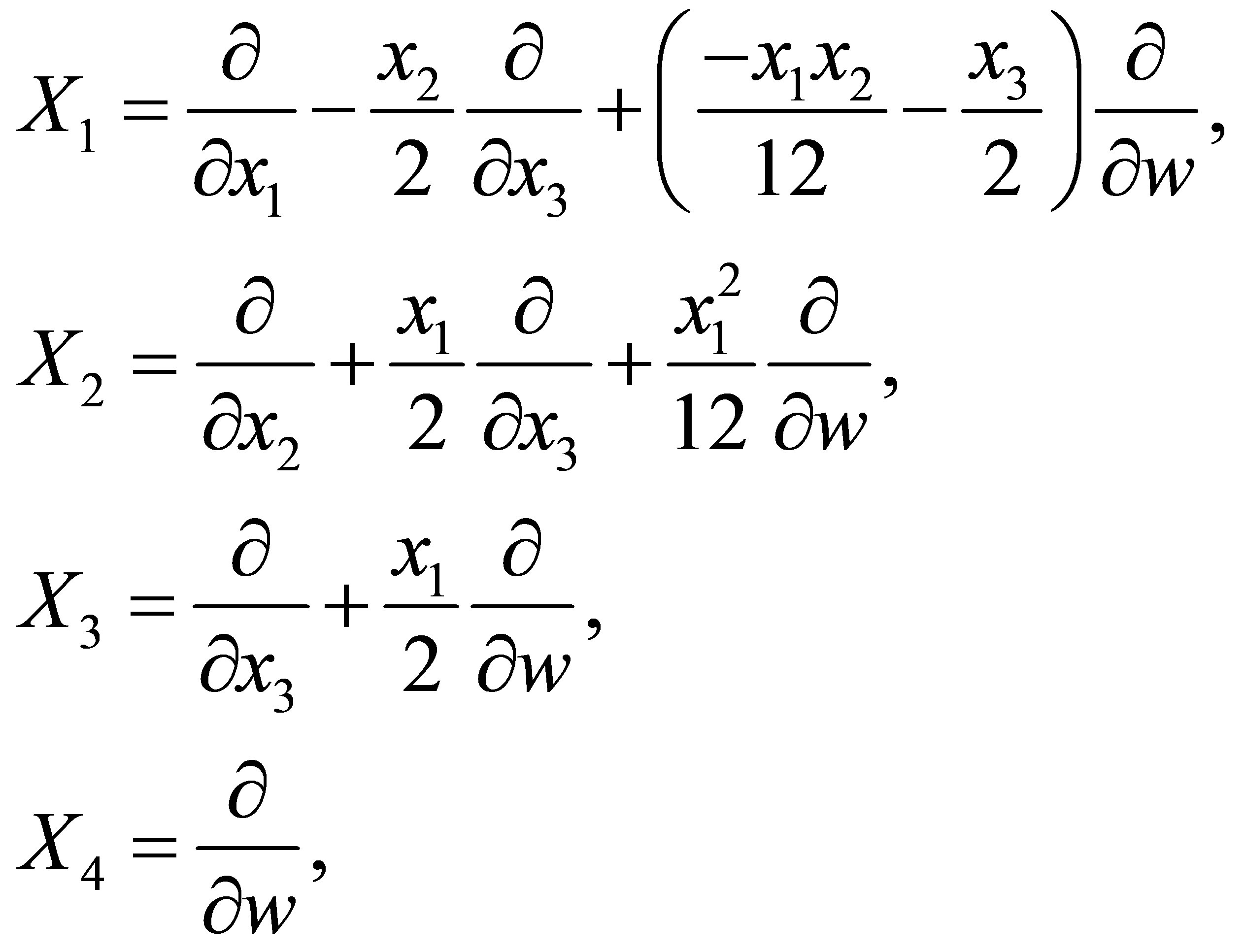
where 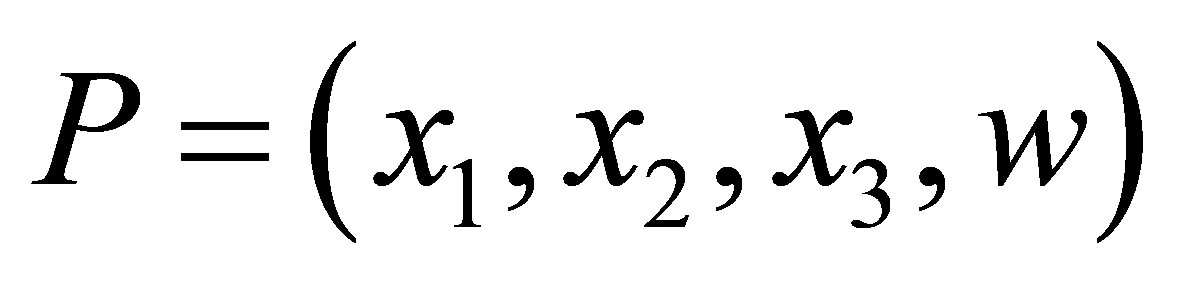 is a point of
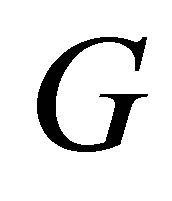 . It is easy to see that
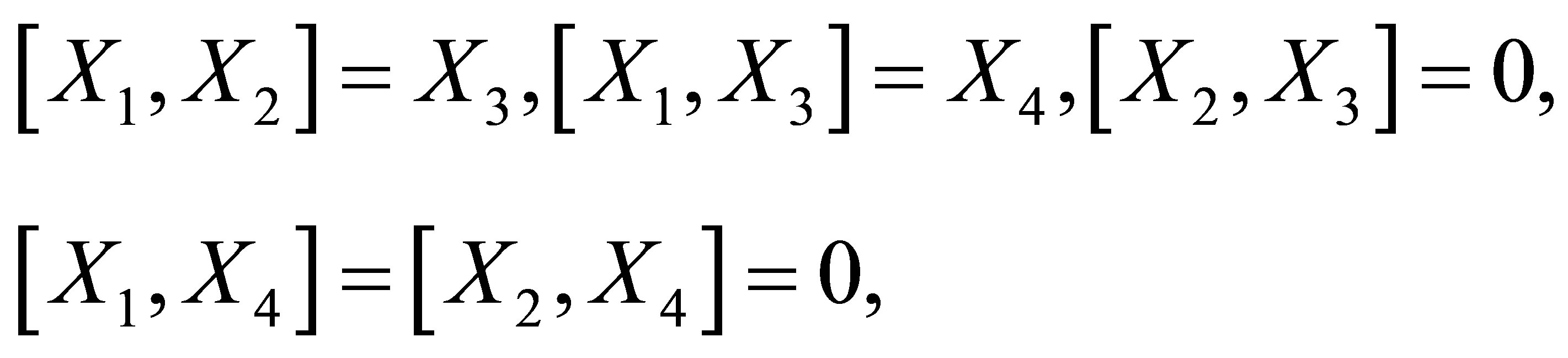
and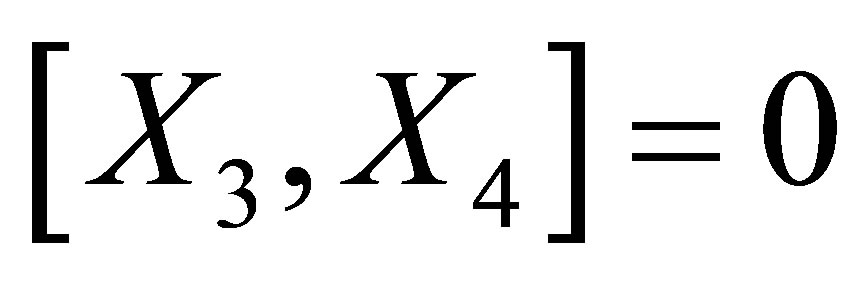 . So the Lie algebra of
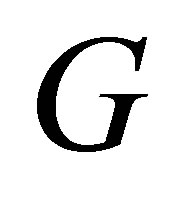 is
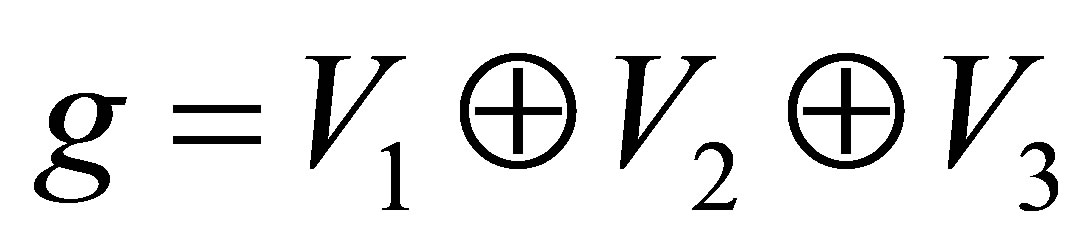 where

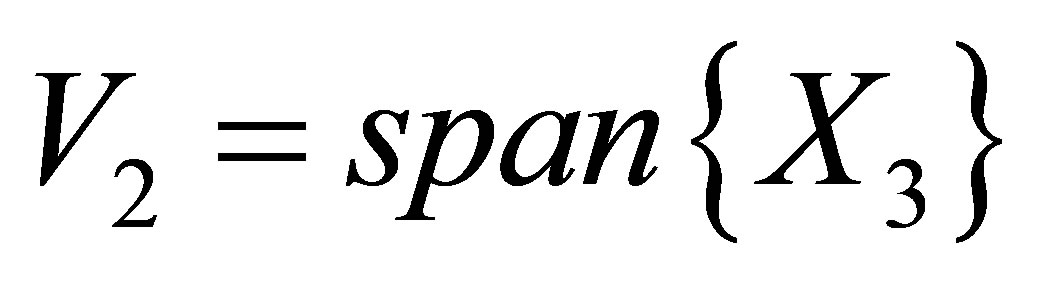 and
 . The sub-Laplace operator on
 is of the form
 .
In the paper, we investigate the Riesz means of the Dirichlet problem
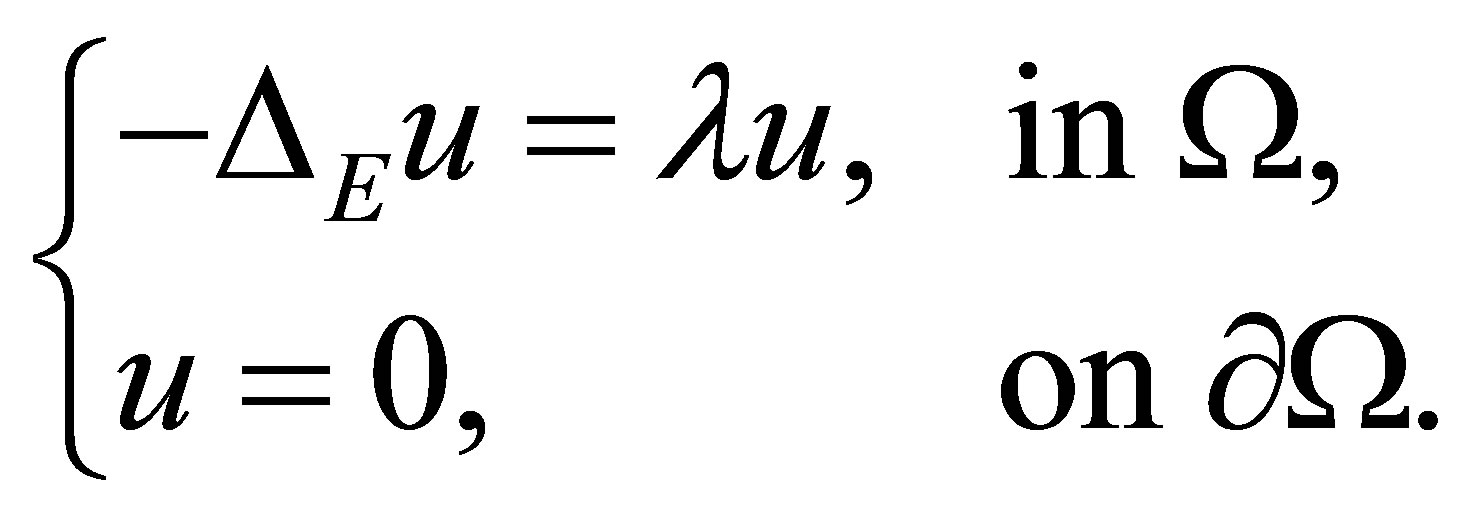 (1.1)
in the Engel group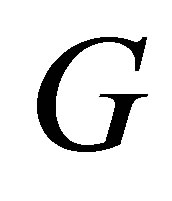 . Here
 is a bounded and noncharacteristics domain in
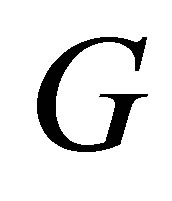 , with smooth boundary
 . The existence of eigenvalues for (1.1) is from [2]. Let us by
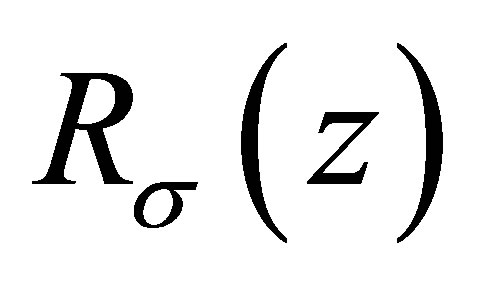 denote the Riesz means of order
 of the sequence
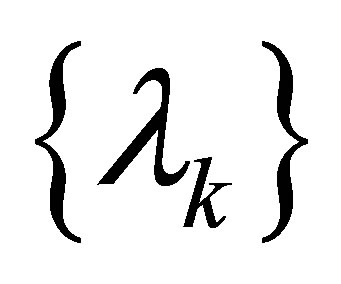 of eigenvalues of (1.1).
The Riesz means of Dirichlet eigenvalues for the Laplace operator in the Euclidean space have been extensively studied(see [3-5]). In recent years, E. M. Harrell II and L. Hermi in [6] treated the Riesz means 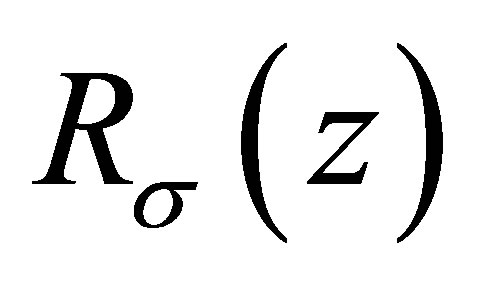 of order
 of
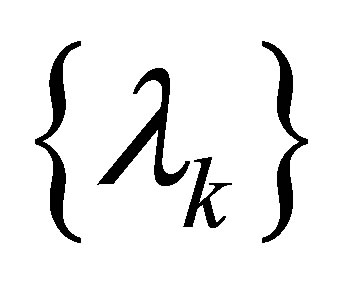 on the bounded domain
 and pointed out that: for
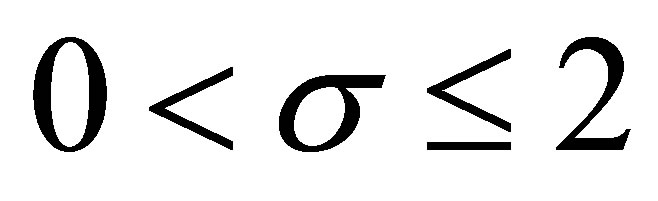 and
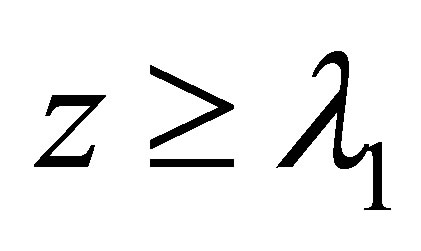 ,
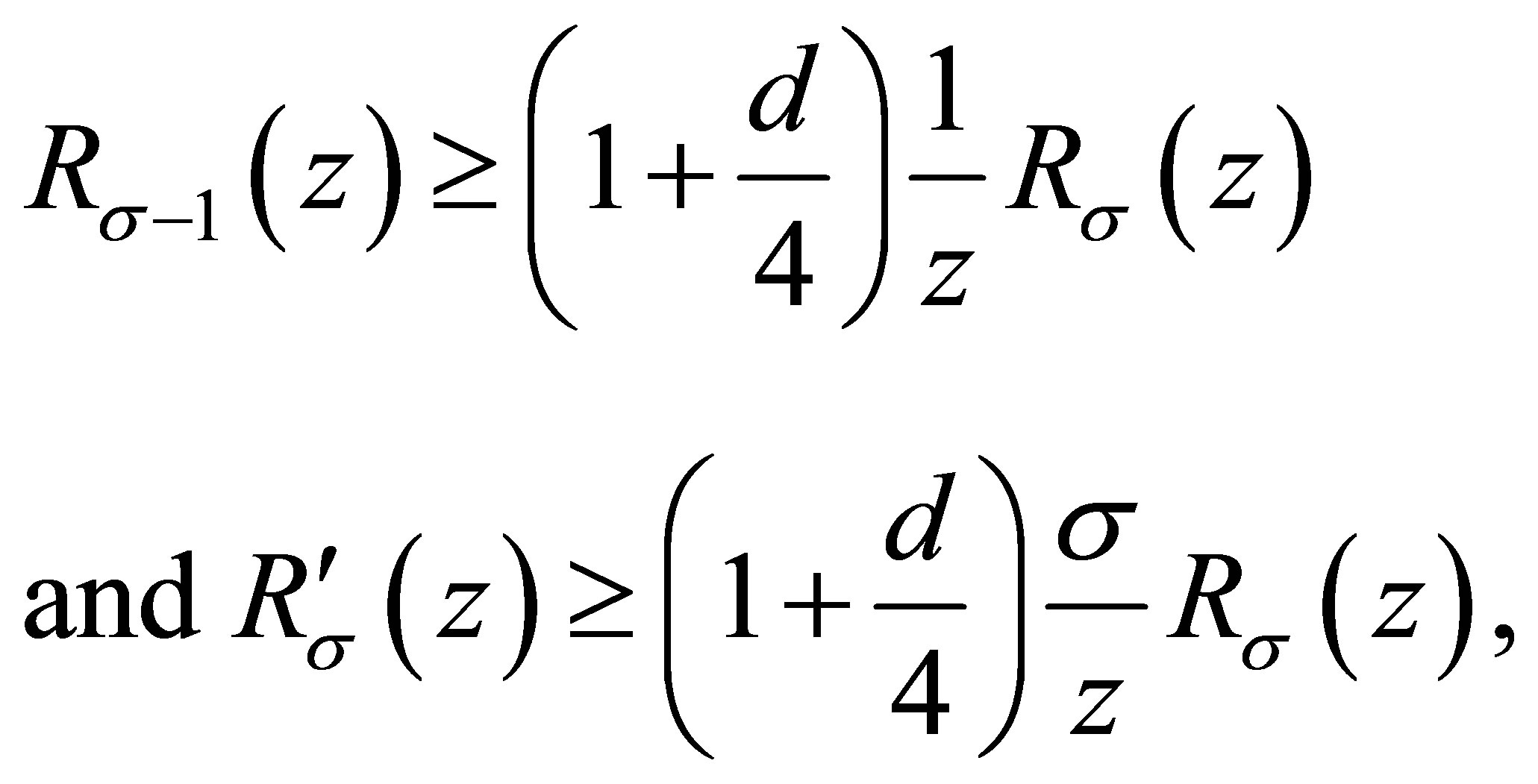 (1.2)
and 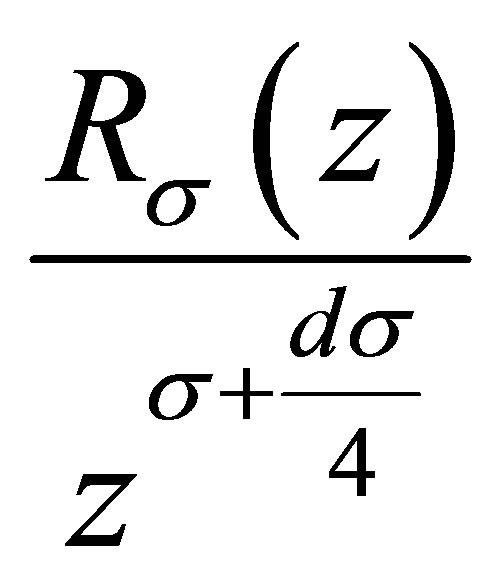 is a nondecreasing function of
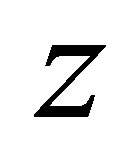 ; for
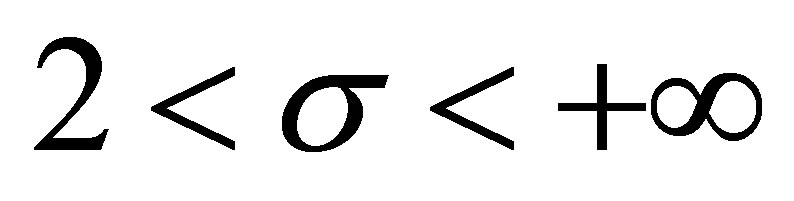 and
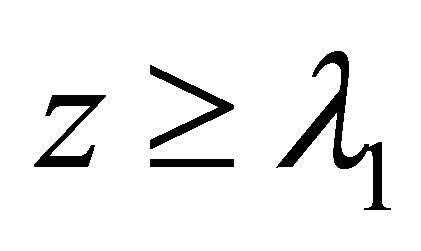 ,
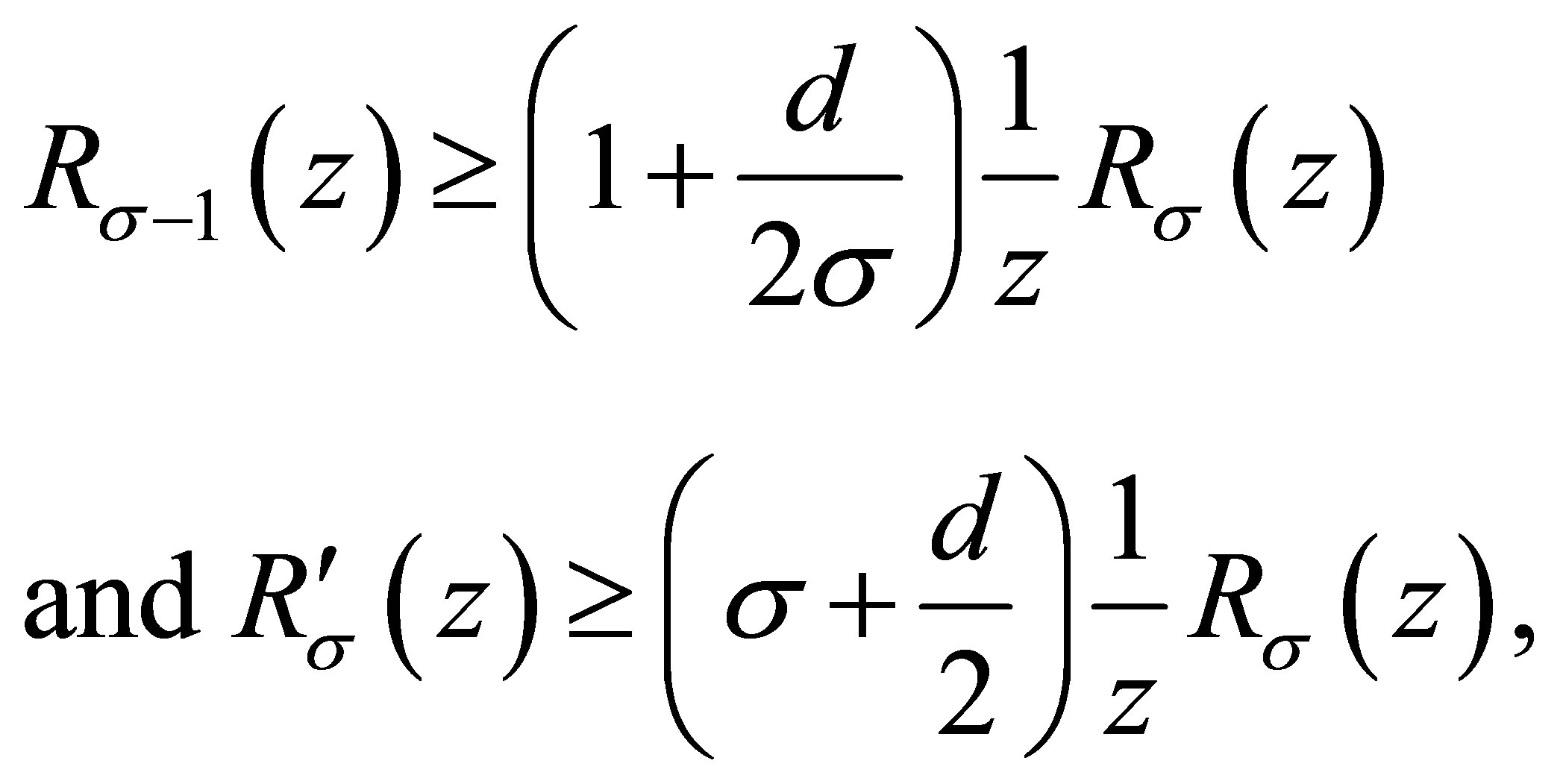 (1.3)
and 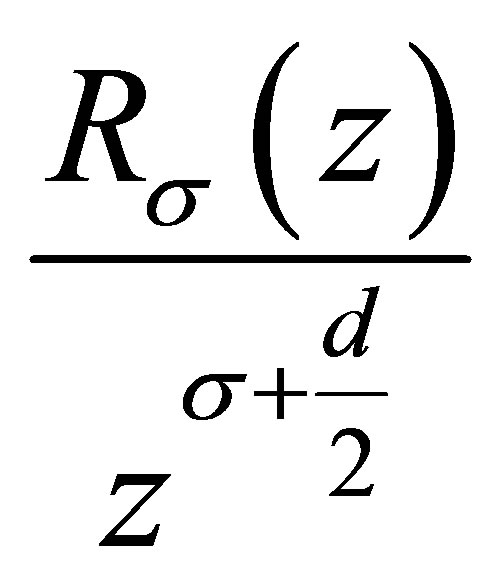 is a nondecreasing function of z, and then the Weyl-type estimates of means of eigenvalues is derived.
Jia et al. in [7] extended (1.2), (1.3) to the Heisenberg group.
The main results of this paper are the following.
Theorem 1.1 For 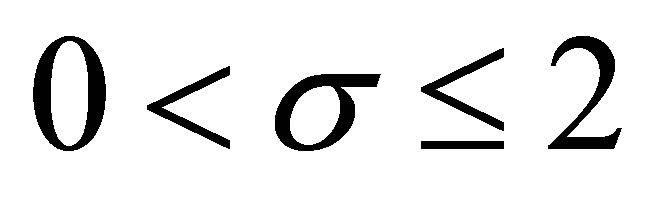 and
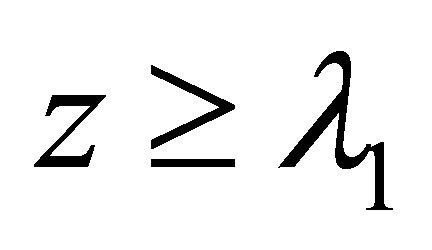 , we have
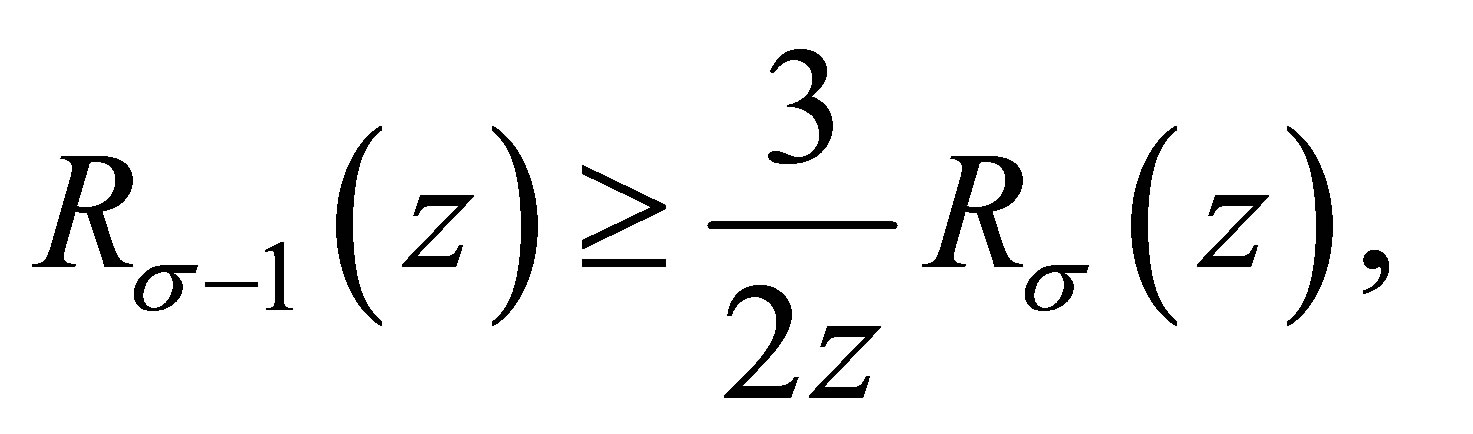 (1.4)
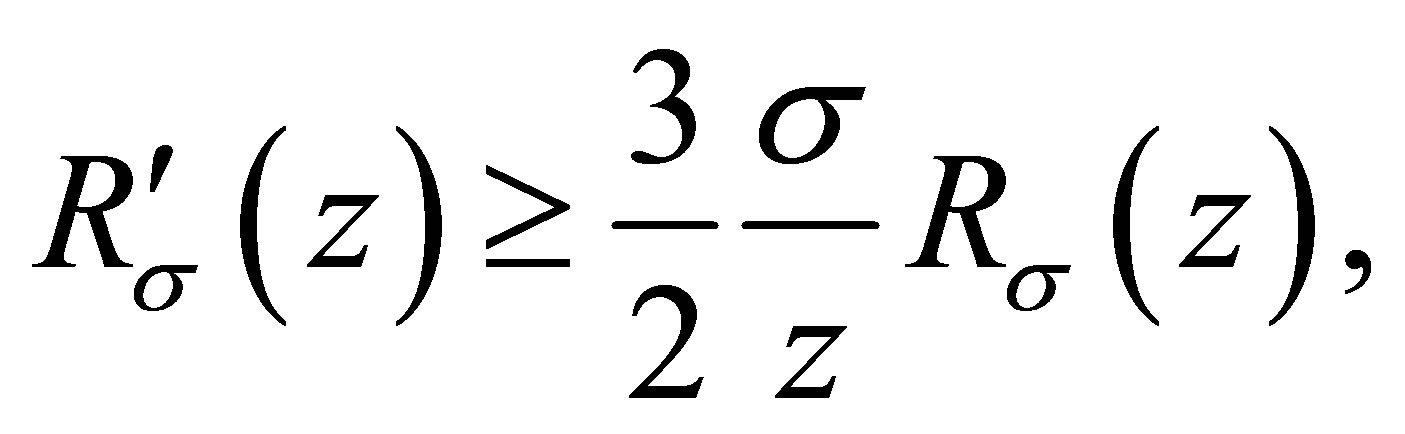 (1.5)
and 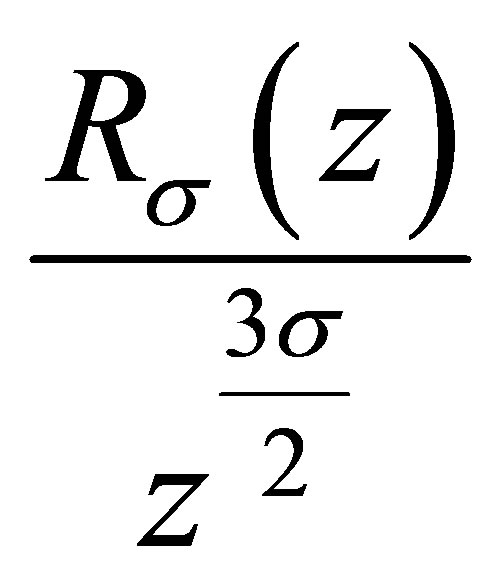 is a nondecreasing function of z; for
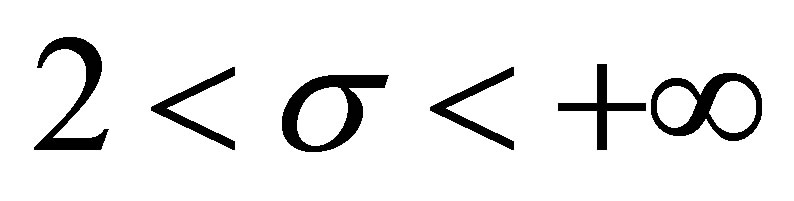 and
 , we have
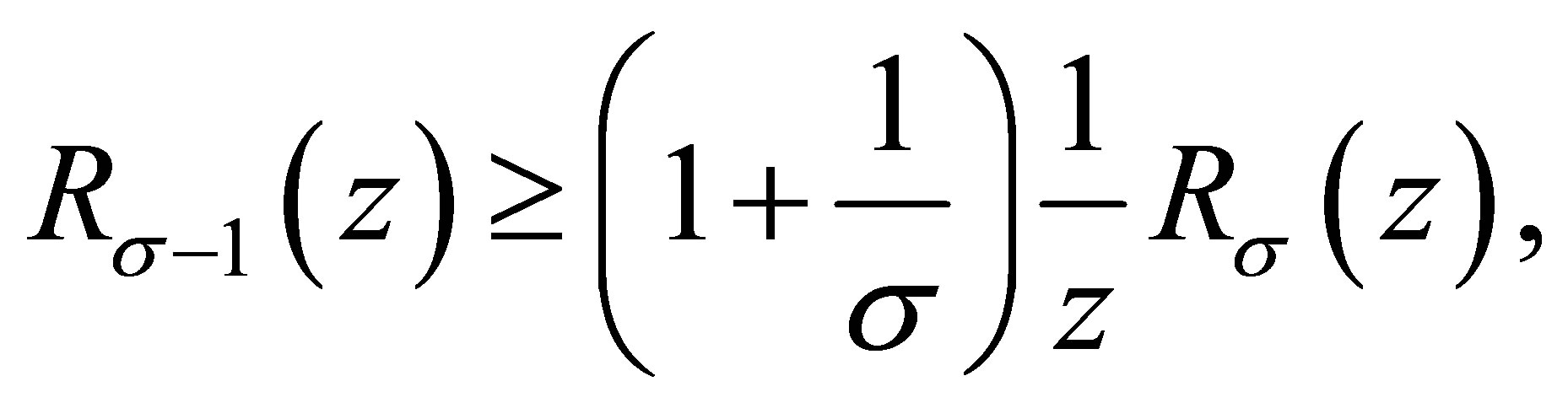 (1.6)
 (1.7)
and 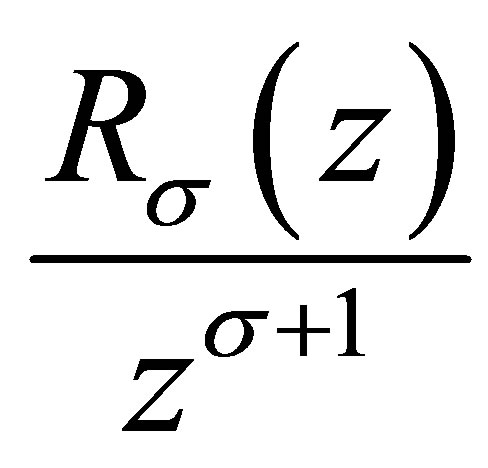 is a nondecreasing function of z.
Theorem 1.2 Suppose that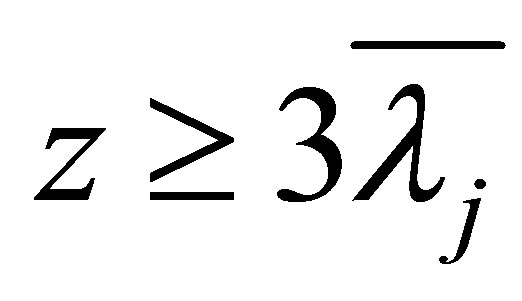 , then
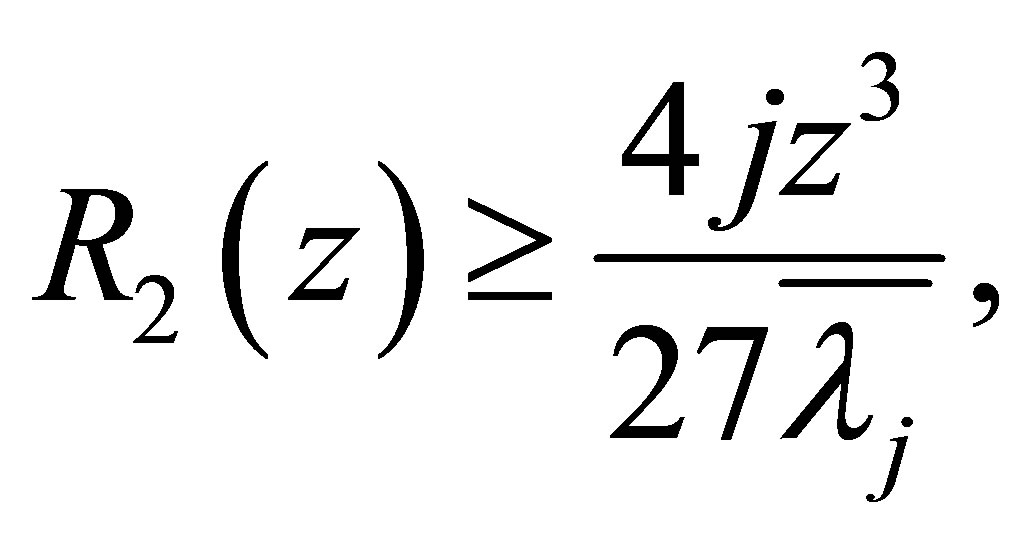 (1.8)
and therefore
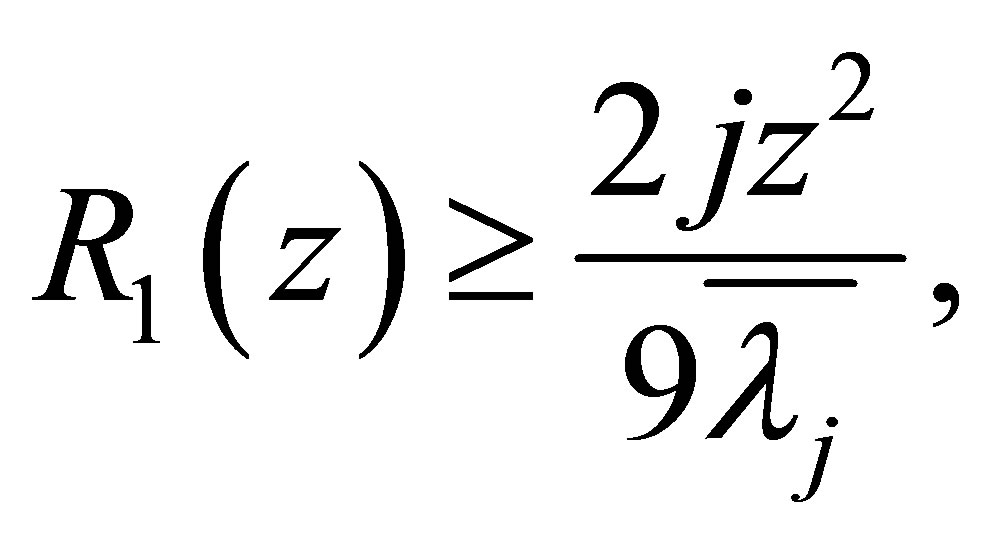 (1.9)
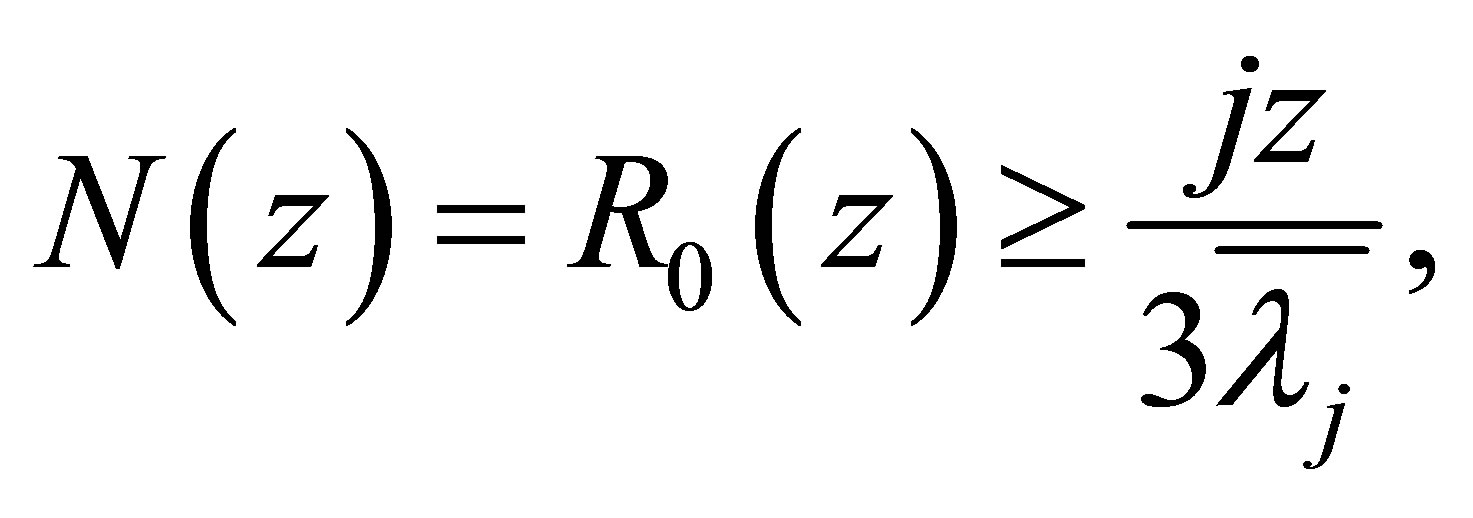 (1.10)
Moreover, for all , we have the upper bound
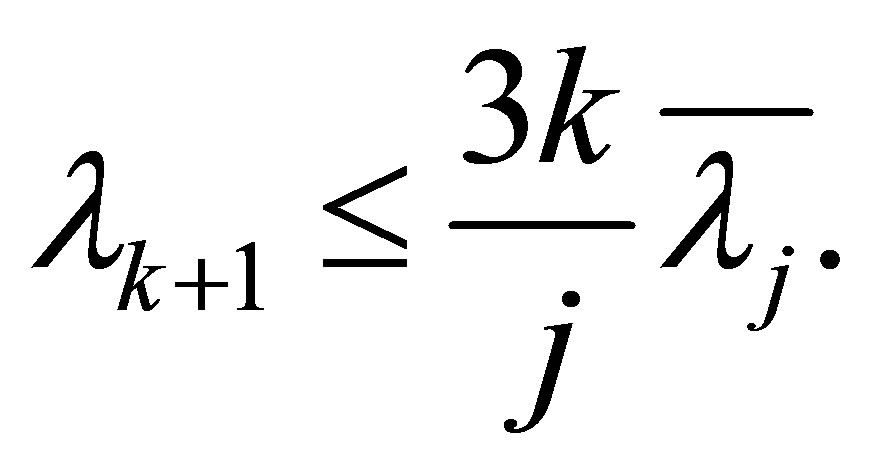 (1.11)
Theorem 1.3 For , we have
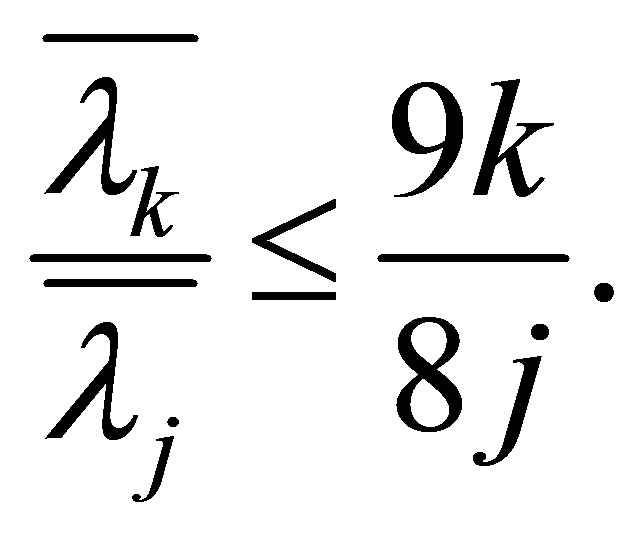 (1.12)
Authors in [6] combined the Weyl-type estimates of means of eigenvalues established in [6] and the result in [8] to obtain the Weyl-type estimates of eigenvalues. But it is not easy to extend the result in [8] to the Engel group. The Weyl-type estimates of eigenvalues for (1.1) still are open questions.
This paper is arranged as follows. In Section 2 the definition of Riesz means and Lemmas are described; Section 3 is devoted to the proof of Theorem 1.1. The proof of Theorem 1.2 is appeared in Section 4. In Section 5 the proof of Theorem 1.3 is given.
2. Preliminaries
Definition 2.1 For an increasing sequence 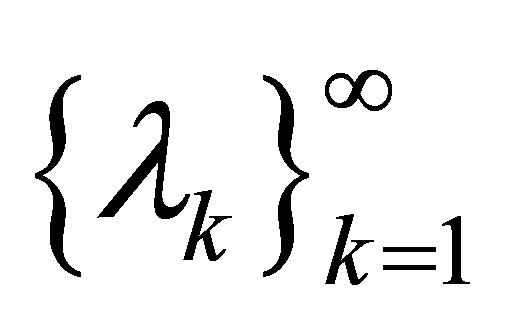 of real numbers and
 , the Riesz means
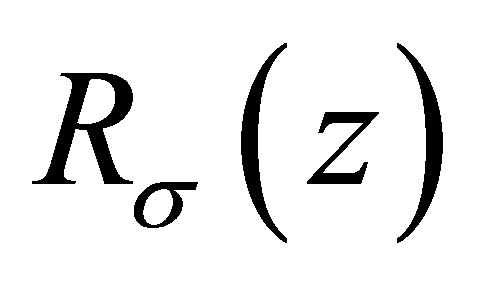 of order
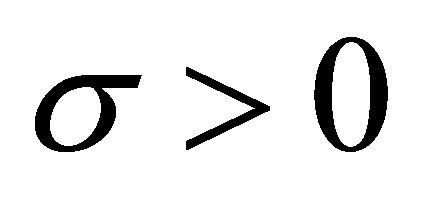 of
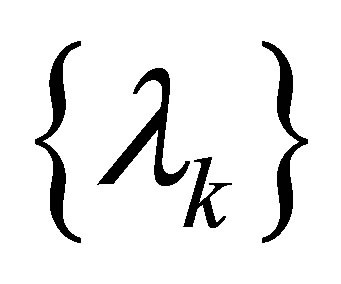 is defined by
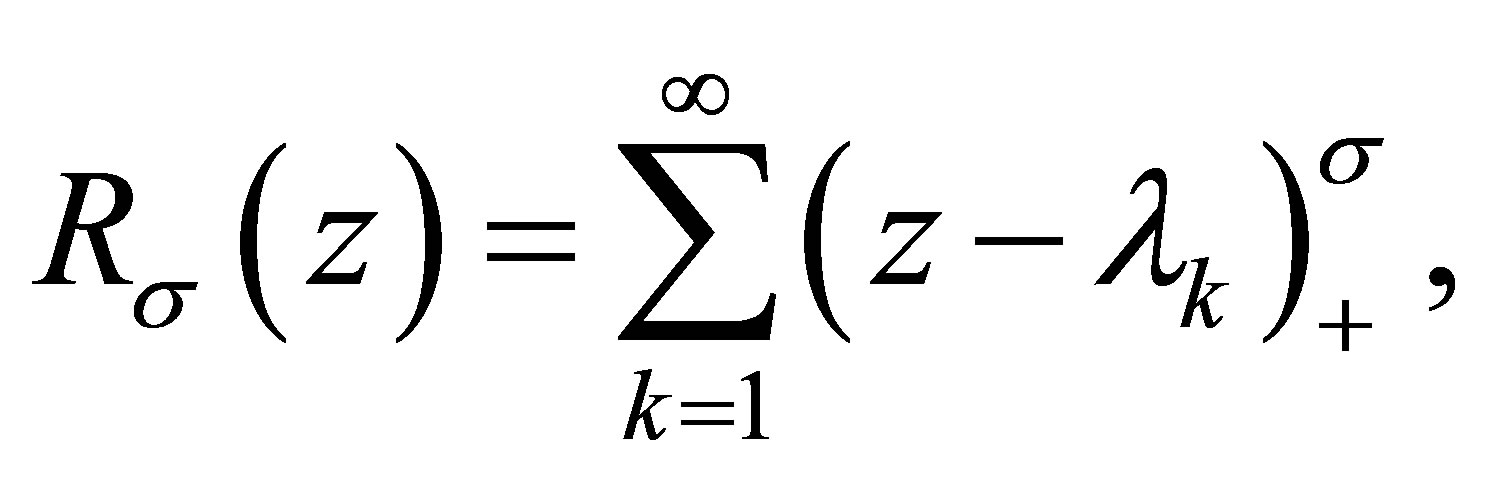
where  is the ramp function.
Clearly,
 (2.1)
Similarly to Theorem 1 of [9], we immediately have
Lemma 2.2 Denoting the  -normalized eigenfunctions of (1.1) by
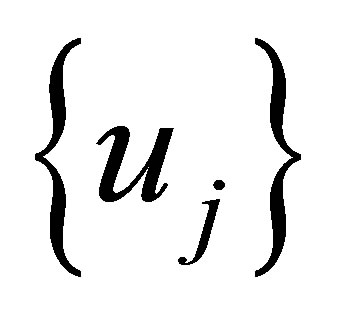 , let

for  Then for each fixed
 , we have
 (2.2)
Lemma 2.3 ([10]) Let 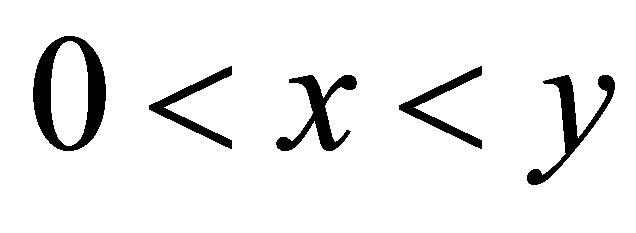 and
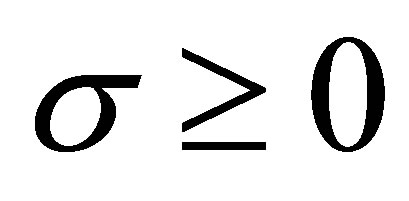 , then
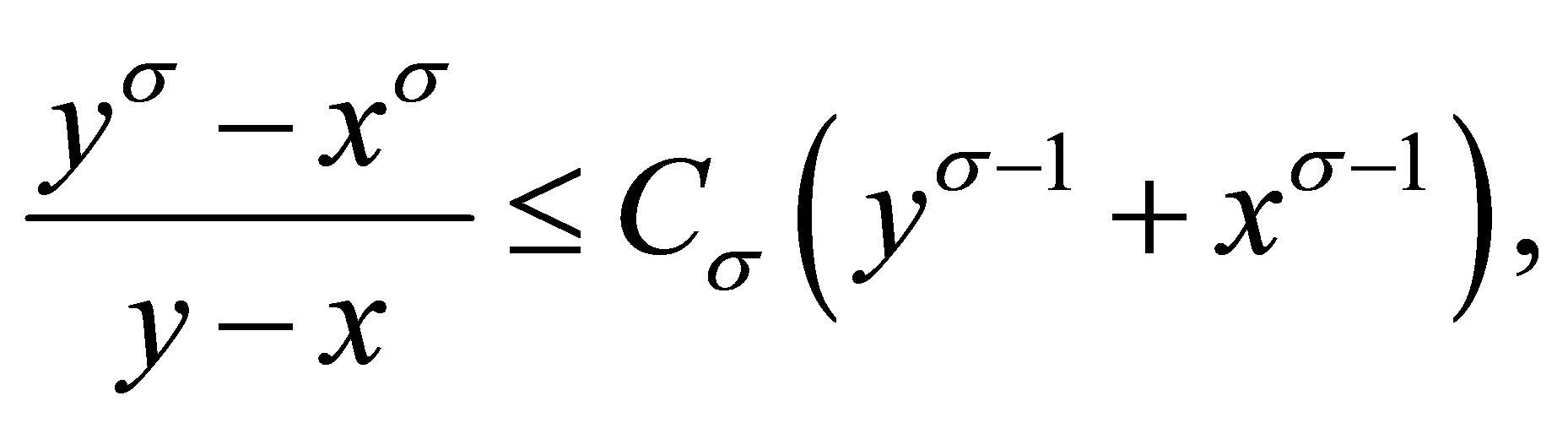
where
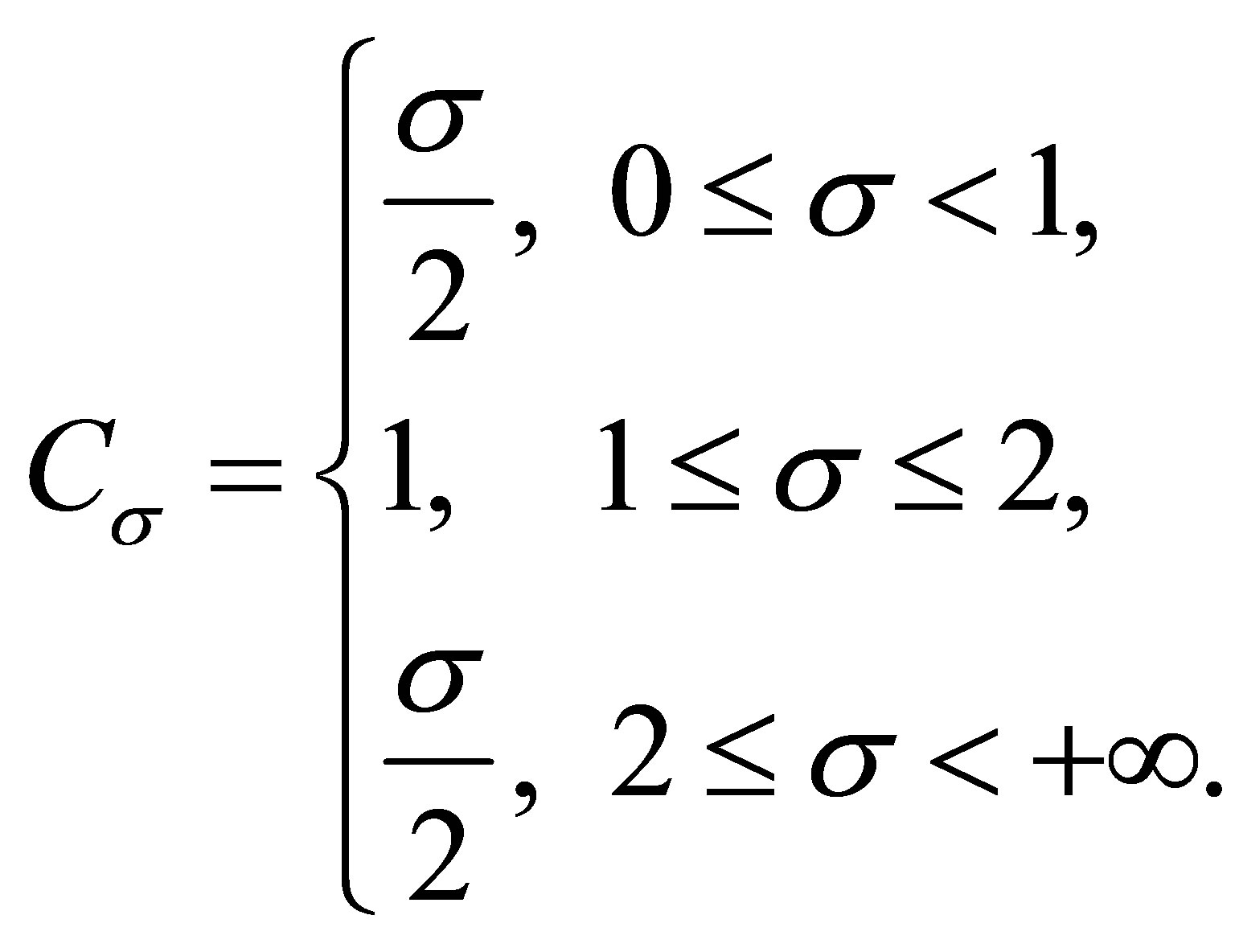
3. The Proof of Theorem 1.1
In this section, we prove Theorem 1.1 and two corollaries.
Proof. Let us use (2.2) and denote the first term on the right-hand side of (2.2) by . Applying Lemma 2.3 it follows

here we used the symmetry on  and
 in the last step.
Putting the above estimate into (2.2), we have
 (3.1)
where we denote
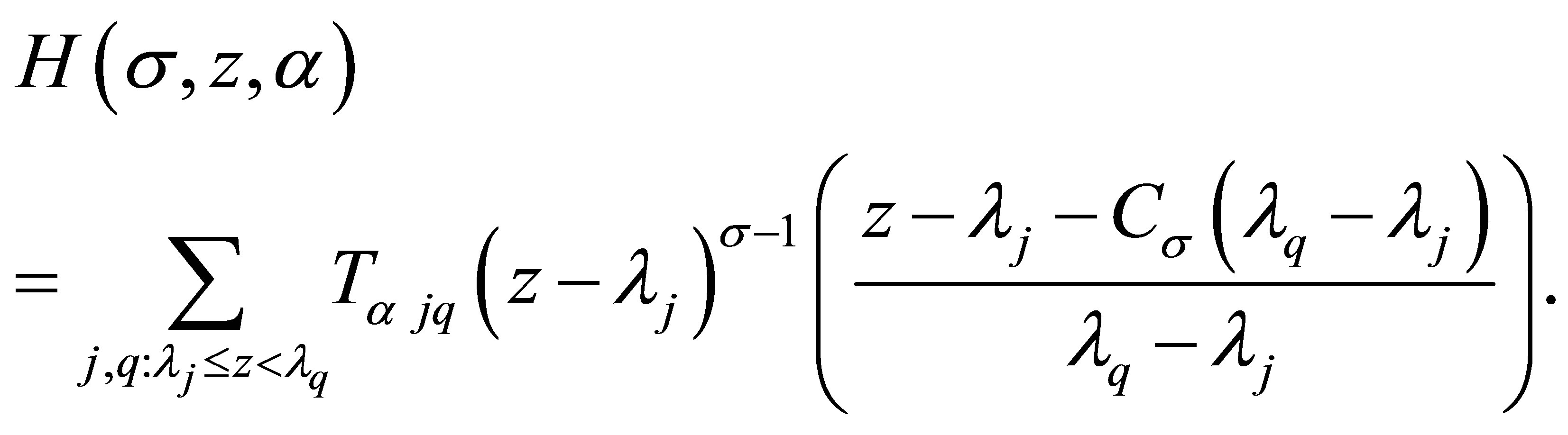 (3.2)
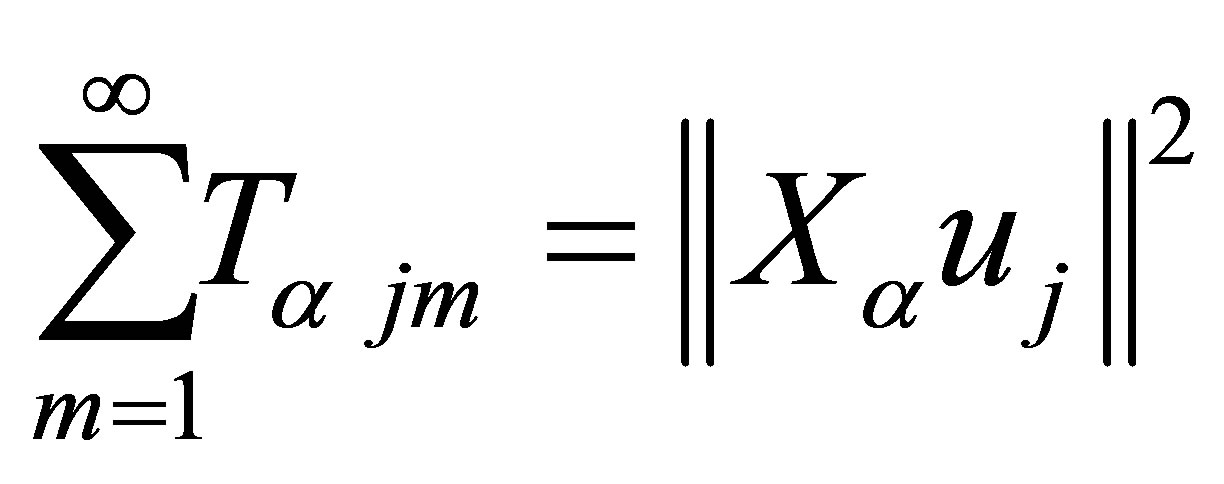
Since  is a complete orthonormal set, it follows
and

Returning to (3.1) with them, it yields
 (3.3)
Since

we have

namely,
 (3.4)
We consider three cases: 1) ; 2)
 and 3)
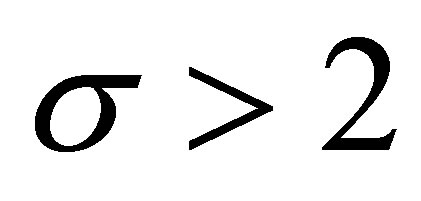 .
1)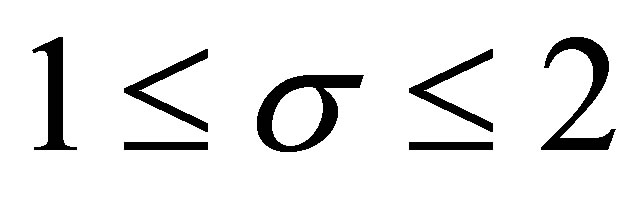 . In this case, it sees
 and

Since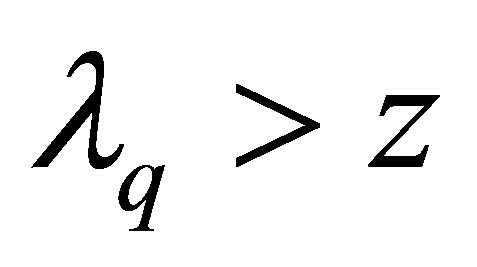 , it follows

and therefore

Substituting this into (3.4), we obtain

and
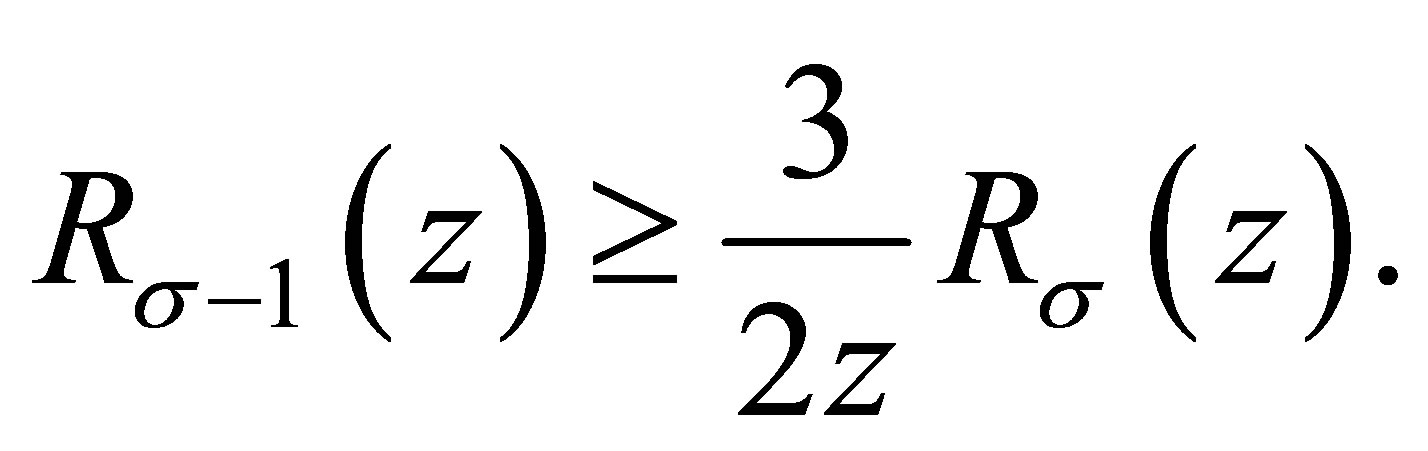
Now (1.4) is proved.
Using (2.1), we have

and (1.5) is proved.
Since
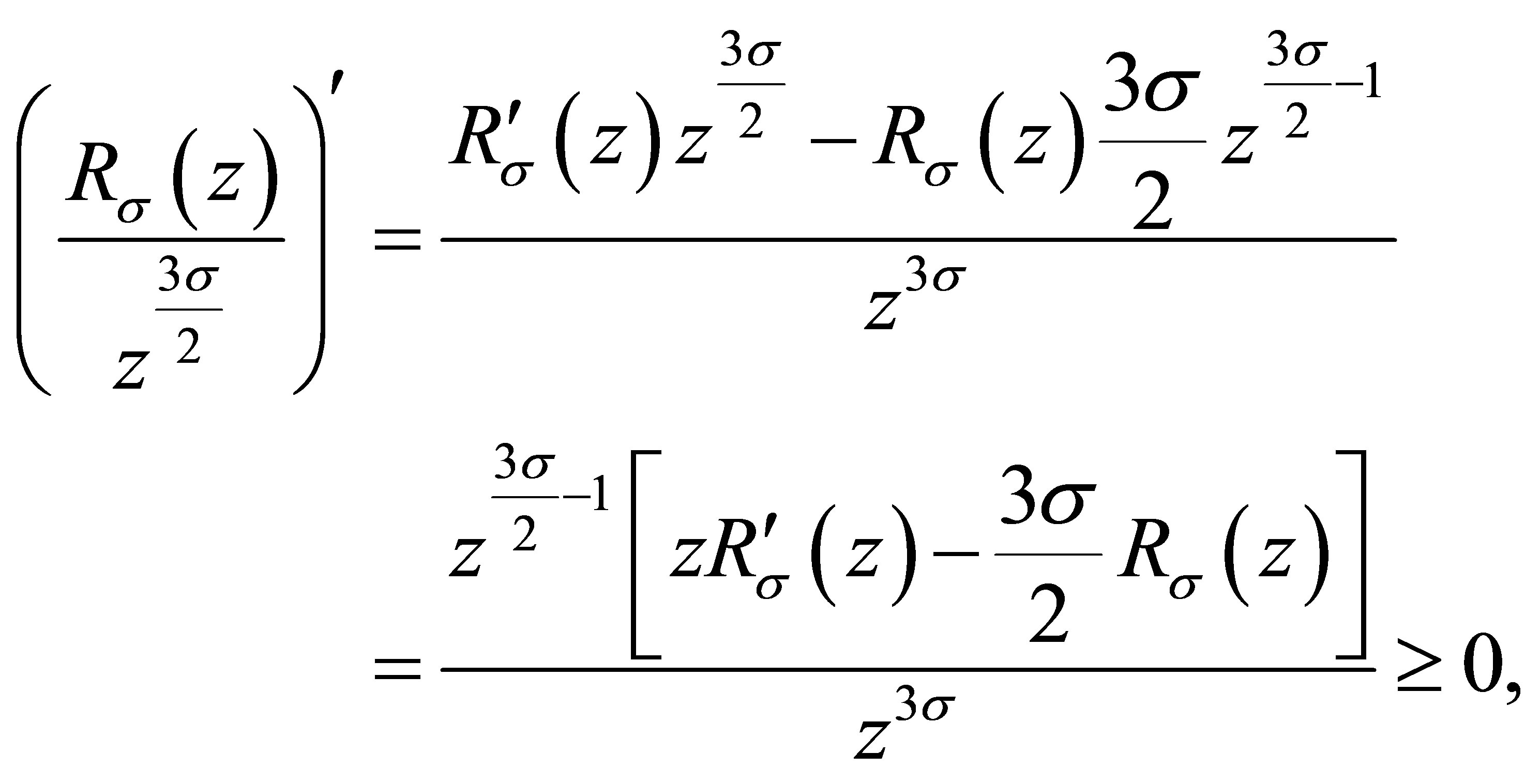
it follows that 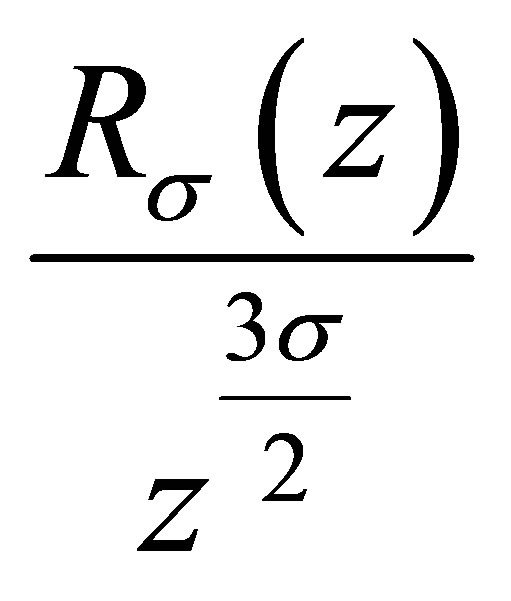 is a nondecreasing function of
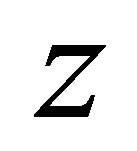 .
2)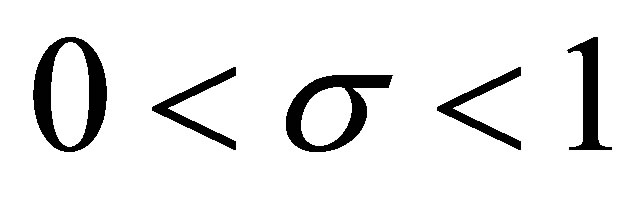 . Now
 , so
 and
 (3.5)
Then

and

Substituting this into (3.4), we obtain

namely,

and (1.4) is proved.
The remainders are discussed similarly to 1).
3)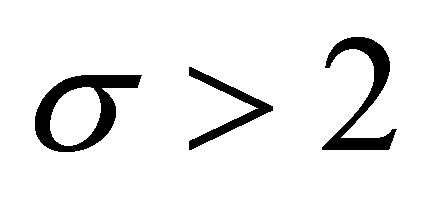 . In this case
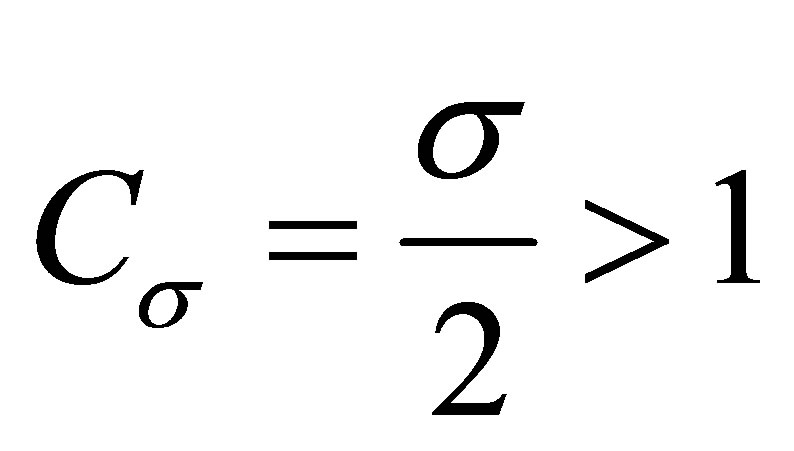 , so
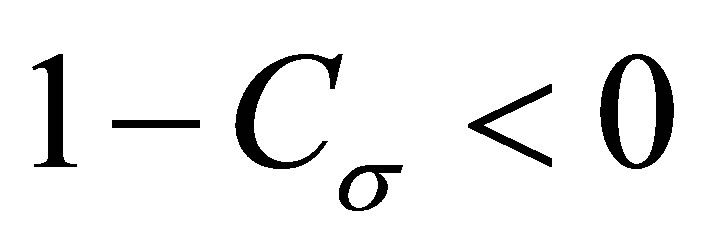 and

Substituting this into (3.4), we have

and (1.6) is proved.
Noting (2.1), it implies

and (1.7) is proved.
Similarly,

thus 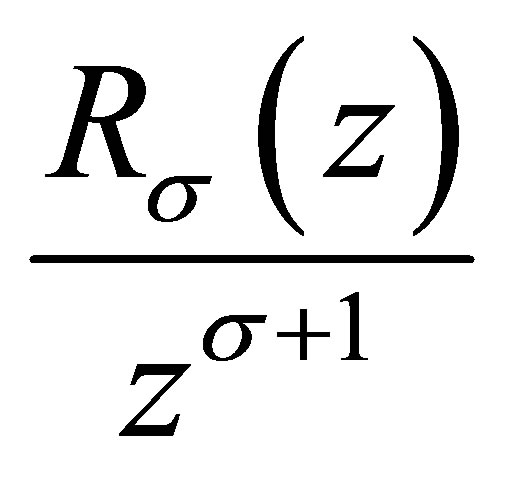 is a nondecreasing function of
 .
Corollary 3.1 For all 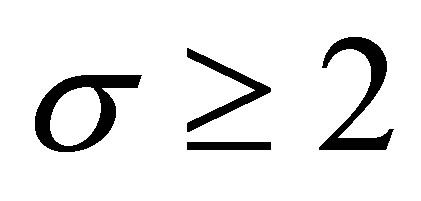 and
 ,
 (3.6)
where .
Proof. 1) Noting for any
 , it follows from Theorem 1.1 that for all
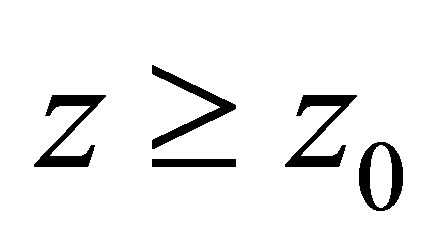 ,

So
 (3.7)
Since (3.7) holds for arbitrary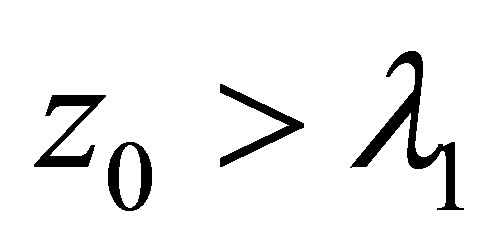 , it yields
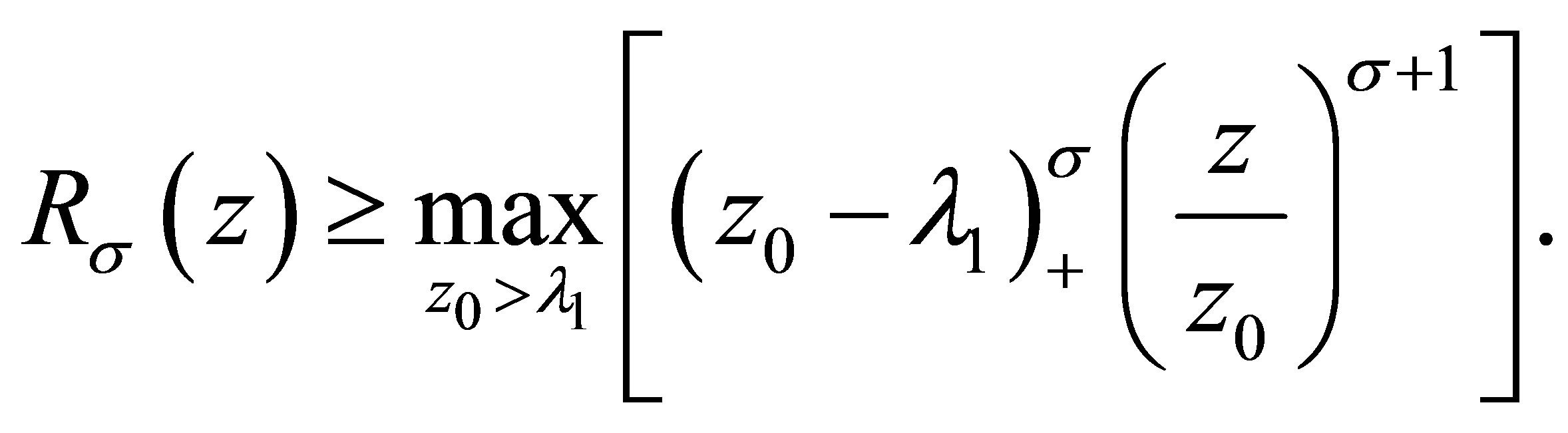
Due to
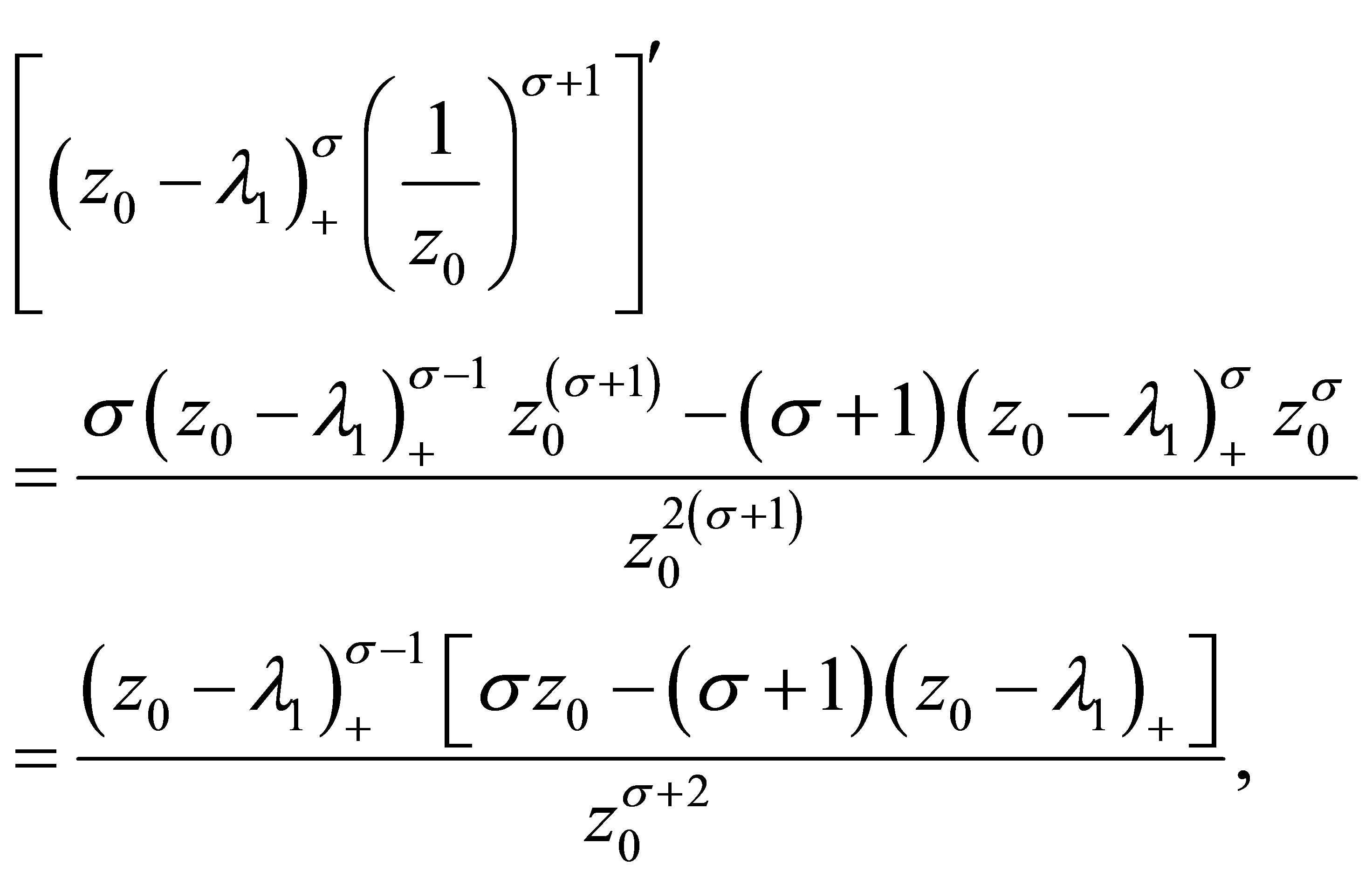
we see that when  , it gets
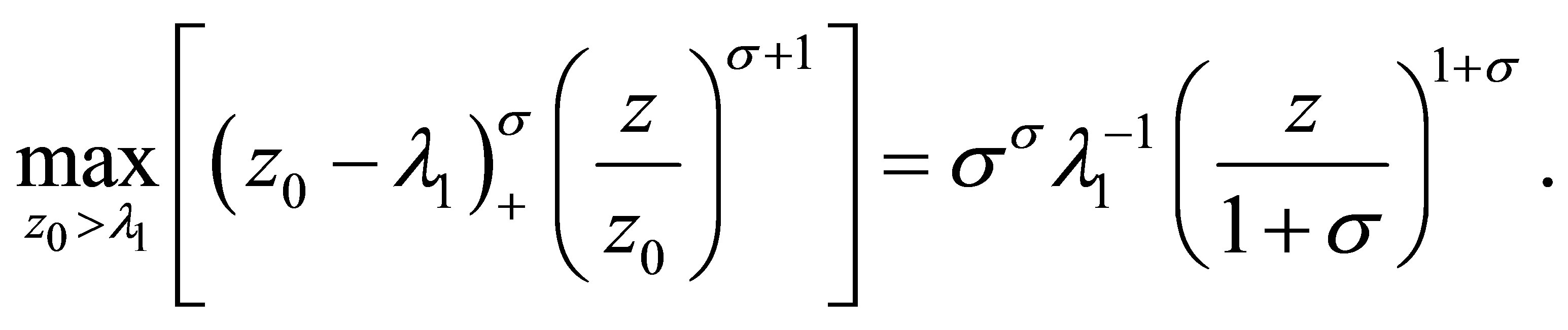
For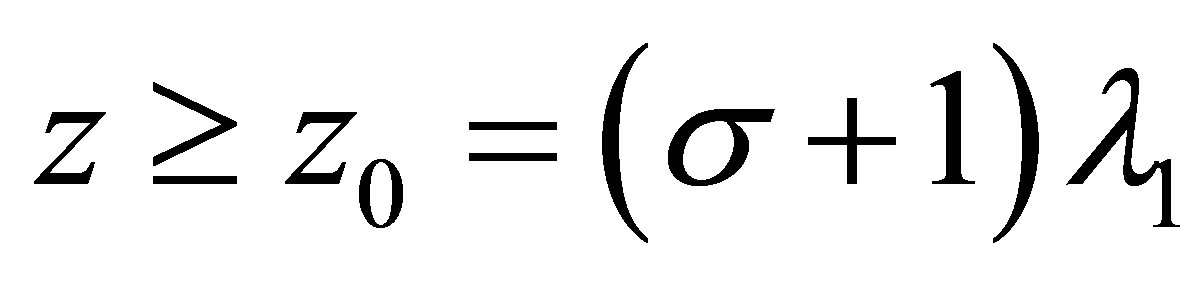 , we have
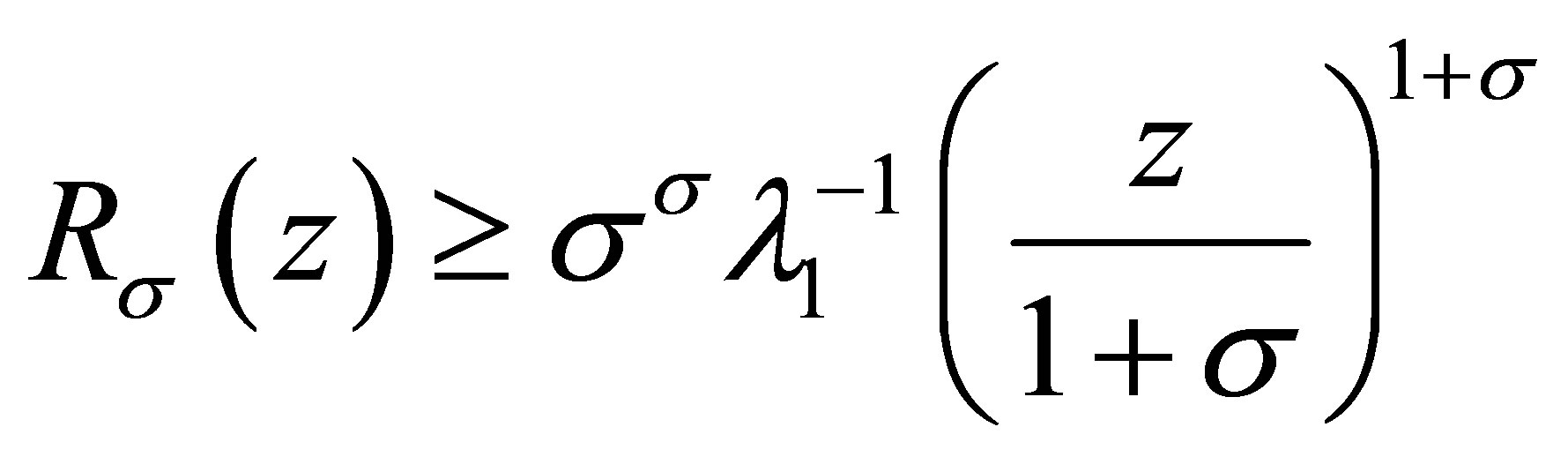
and the inequality in the left-hand side of (3.6) is valid.
2) By the Berezin-Lieb inequality (see [11]), we have

Notice that  is nondecreasing to
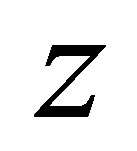 , it follows

and the inequality in the right-hand side of (3.6) is proved.
Corollary 3.2 1) For  and
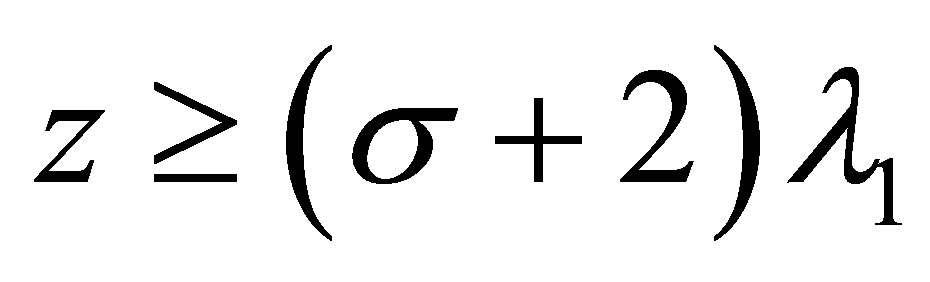 ,
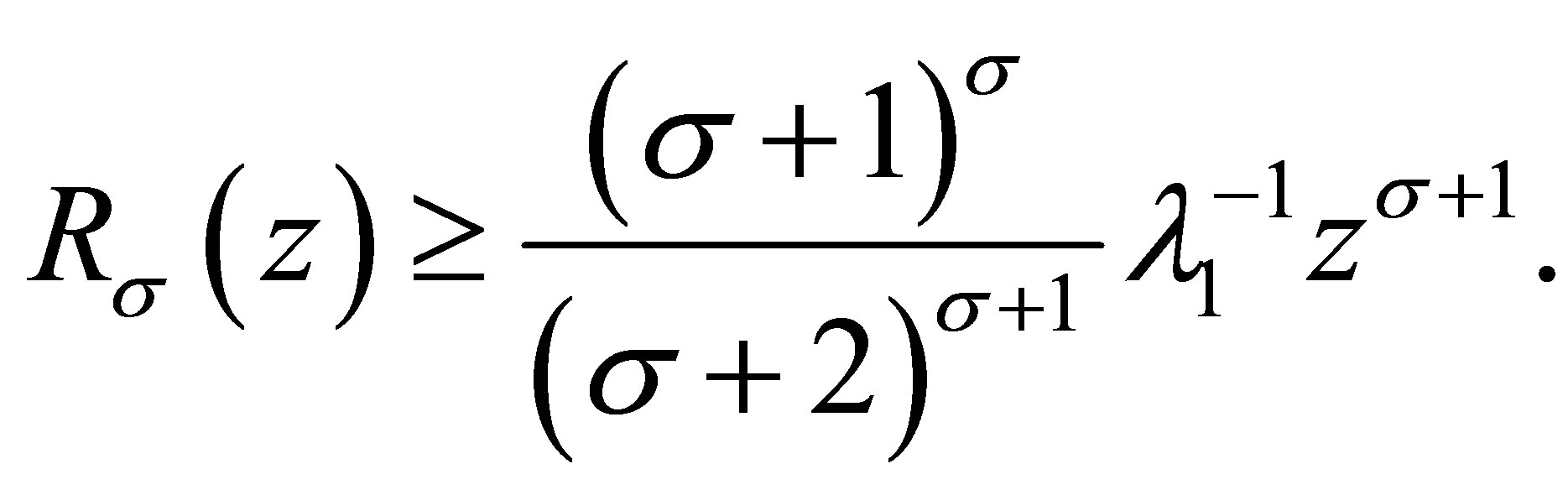 (3.8)
2) For 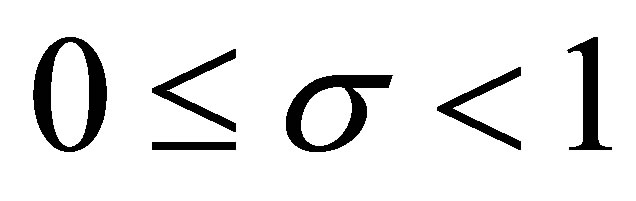 and
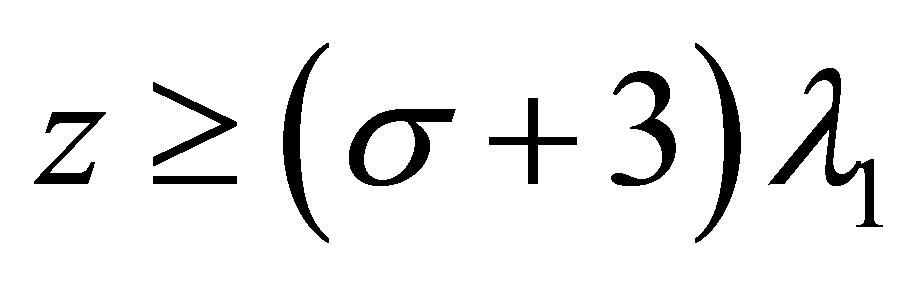 ,
 (3.9)
Proof. 1) By Corollary 3.1 we know that for  and
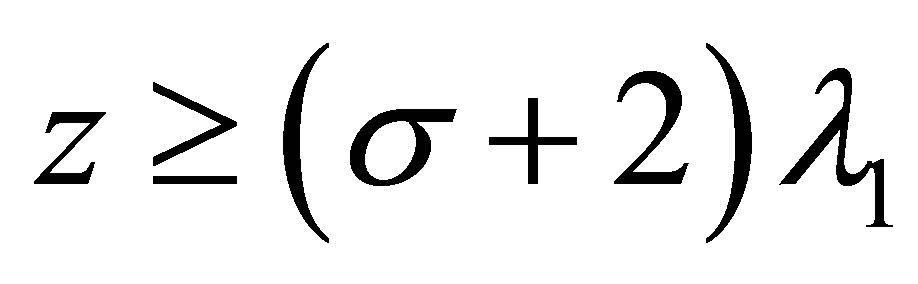 , it holds
 (3.10)
Using Theorem 1.1, we have
 (3.11)
Combining (3.10) and (3.11), it follows

and (3.8) is proved.
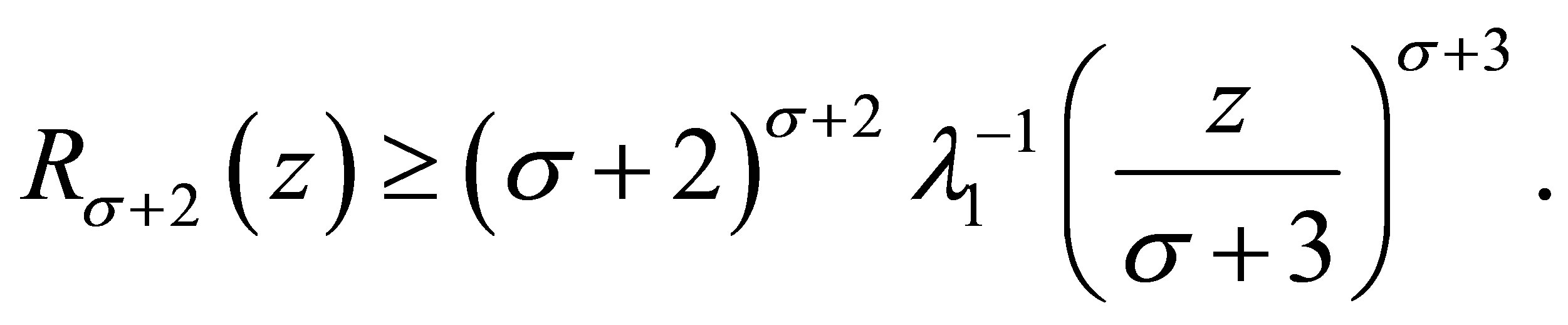
2) By Corollary 3.1, it shows that for 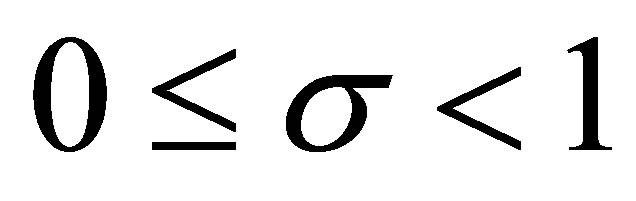 and
 , it holds
 (3.12)
From Theorem 1.1, we see that for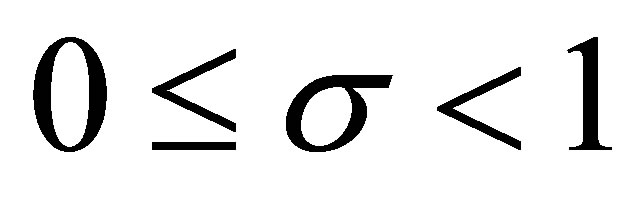 ,
 (3.13)
In the light of (3.12) and (3.13), it obtains

Noting that , for
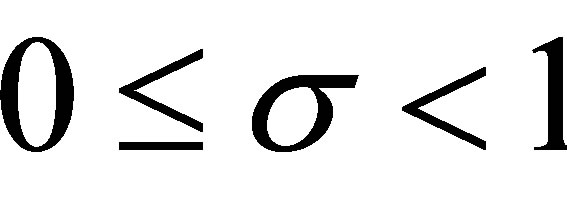 we have
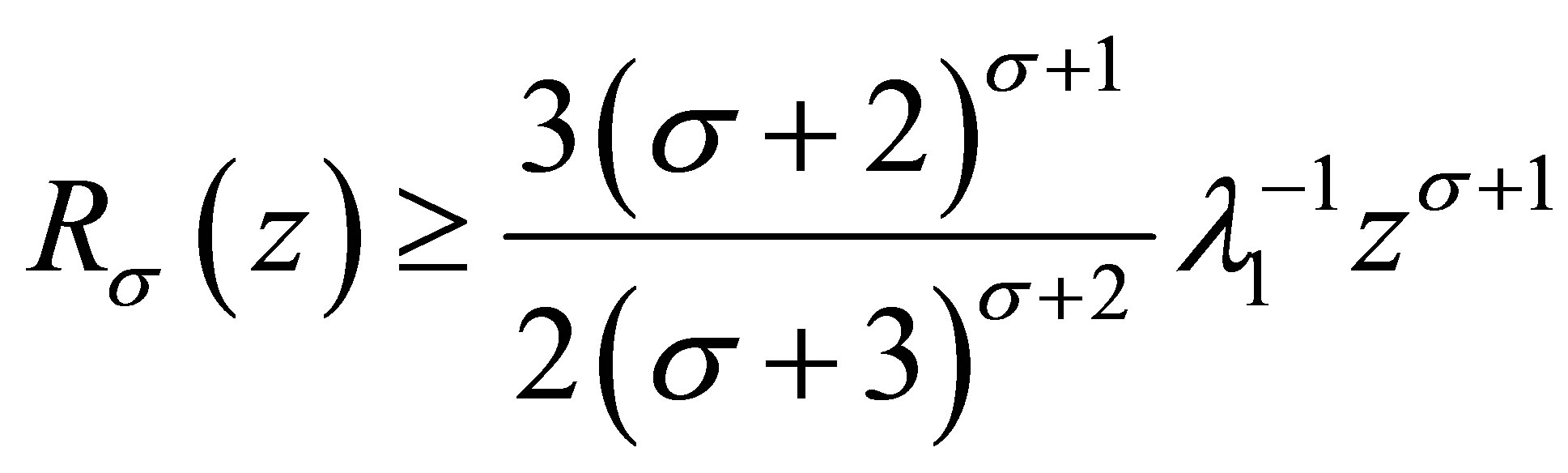
and (3.9) is proved.
Remark 3.3 Specially, we have
 (3.14)
 (3.15)
4. Proof of Theorem 1.2
Denote

and let  be the greatest integer
 such that
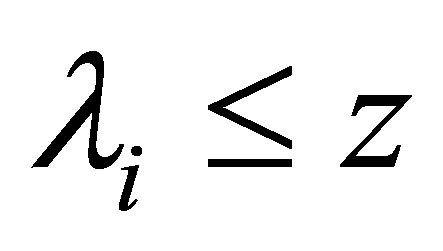 .
Let , it implies that
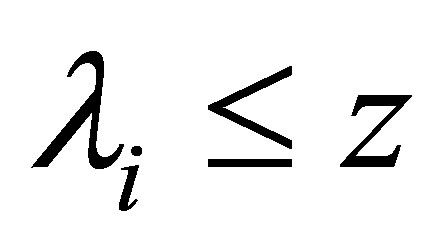 and
 , so
 (4.1)
For any integer j and , it implies
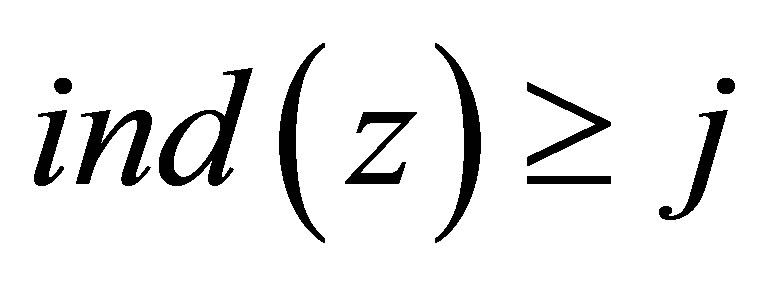 , and

Using Theorem 1.1, we have that for ,

or
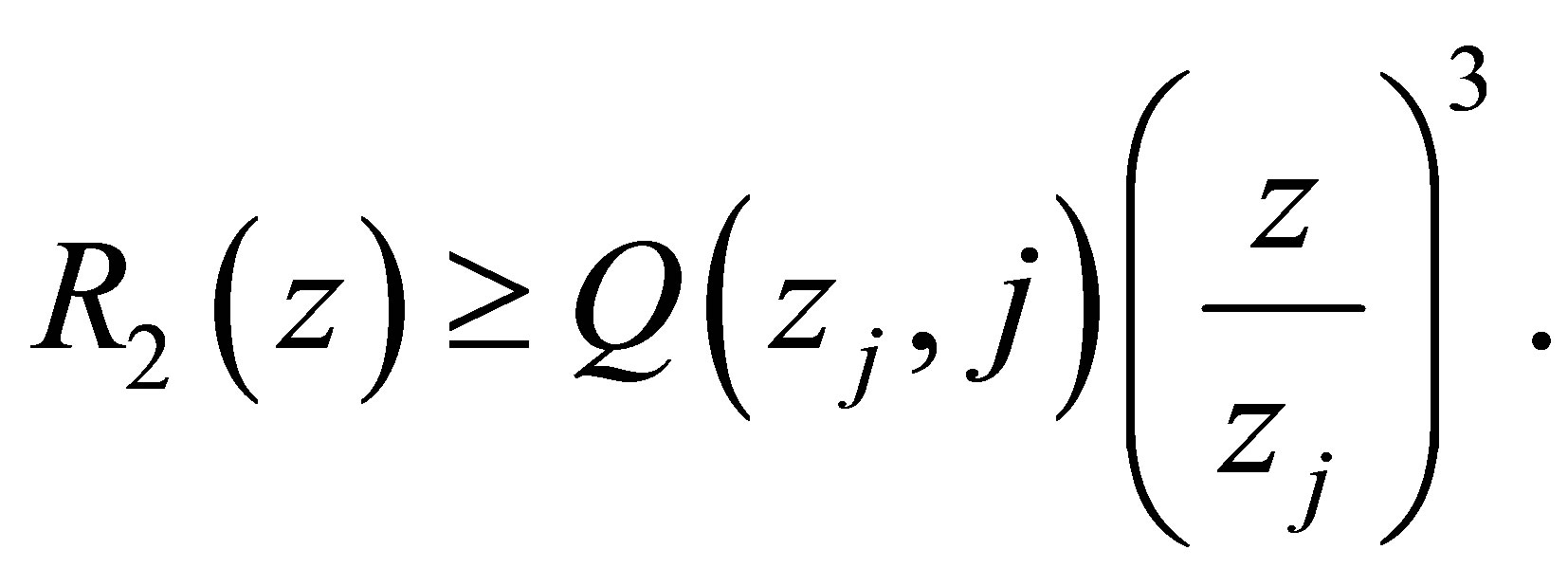 (4.2)
By the Cauchy-Schwarz inequality, it follows

and
 (4.3)
Proof of Theorem 1.2 1) Substituting 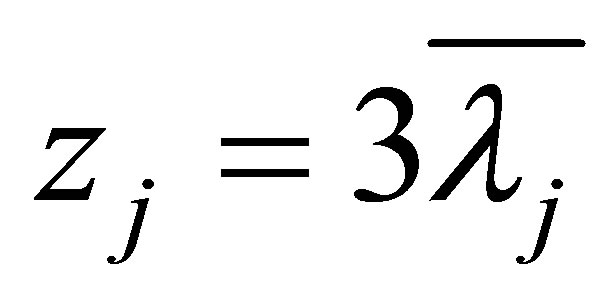 into (4.2) and noticing (4.3), we have

and (1.8) is proved.
2) We take (1.8) into (3.14) to obtain
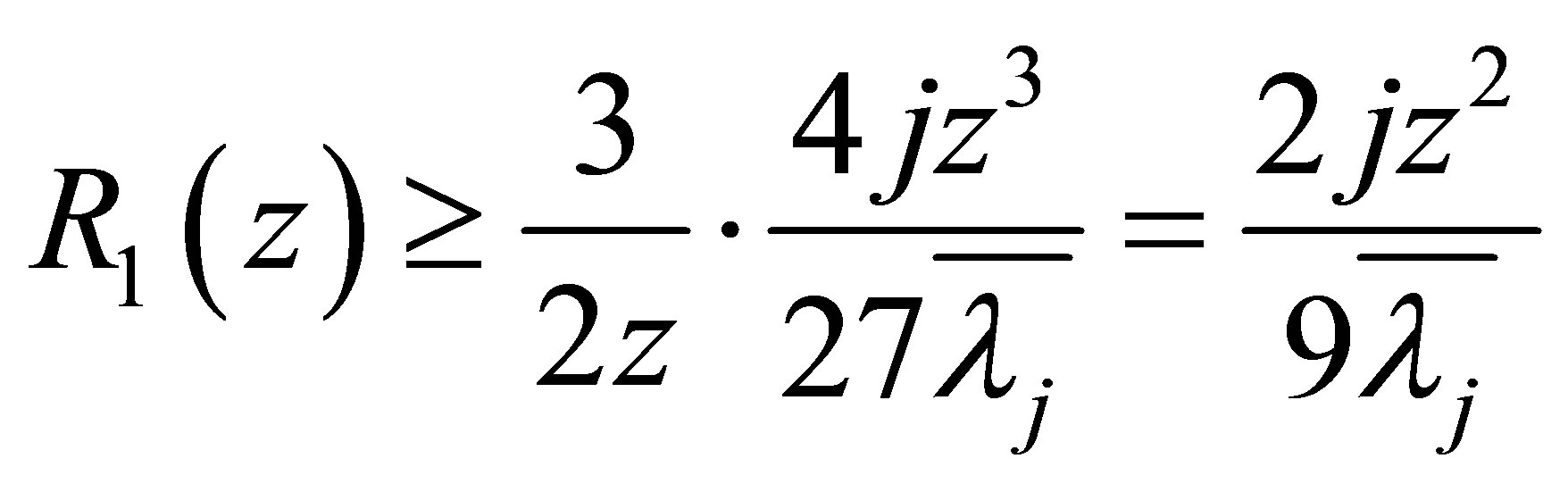
and (1.9) is proved.
3) Combining (1.8) and (3.15), it implies
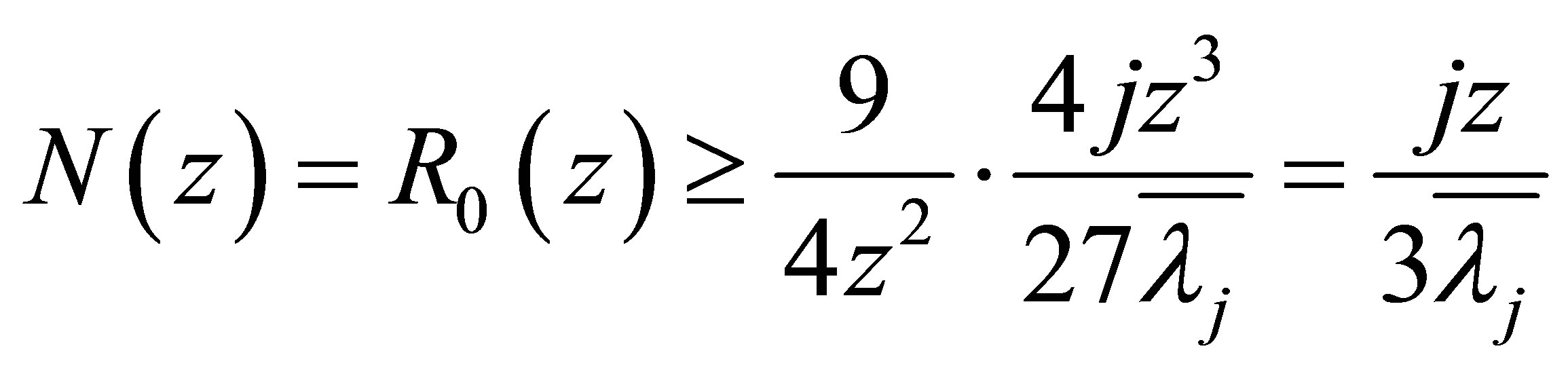
and (1.10) is proved.
4) If , then (1.11) is clearly valid; if
 , then (1.10) shows by letting
 that
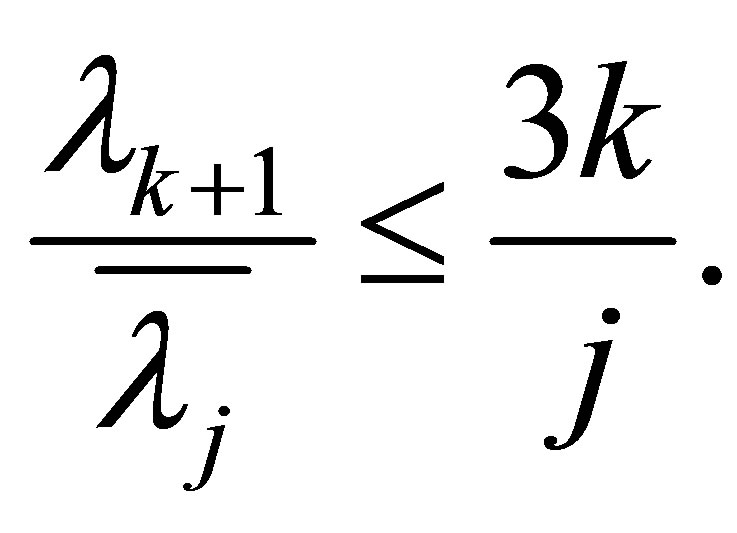
So (1.11) is proved and Theorem 1.2 is proved.
Corollary 4.1 We have
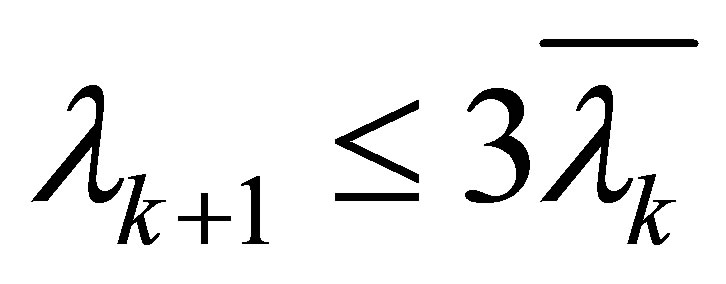
and
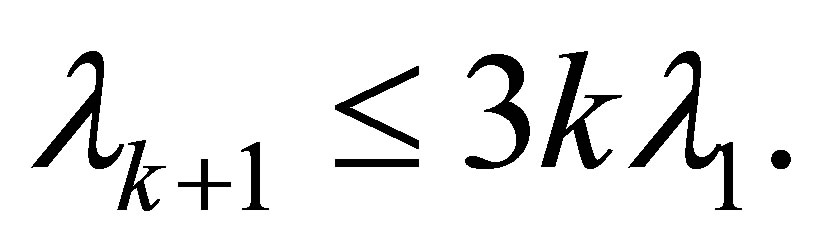 (4.4)
5. Proof of Theorem 1.3
We first recall the following definition before proving Theorem 1.3.
Definition 5.1 If 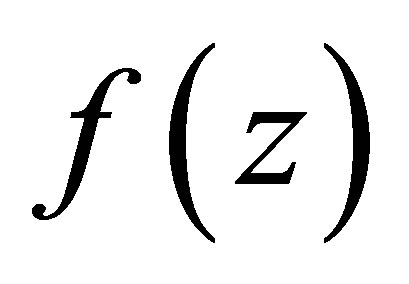 is superlinear in z as
 , then its Legendre transform is defined by
 (5.1)
Remark 5.2 If  for all
 , then
 for all
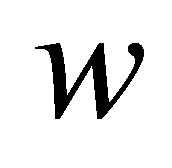 ; Since the maximizing value of
 in (5.1) is a nondecreasing function of
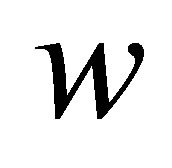 , it follows that for
 sufficiently large, the maximizing
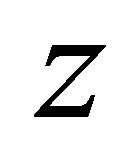 exceeds
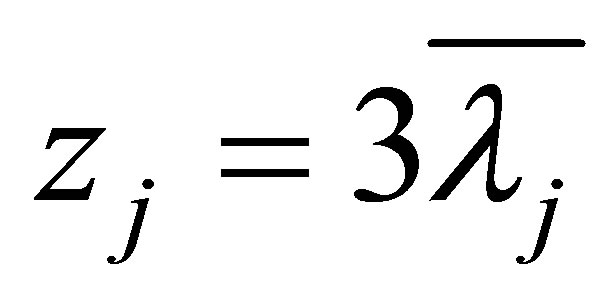 .
Proof of Theorem 1.3 From (1.9), we have
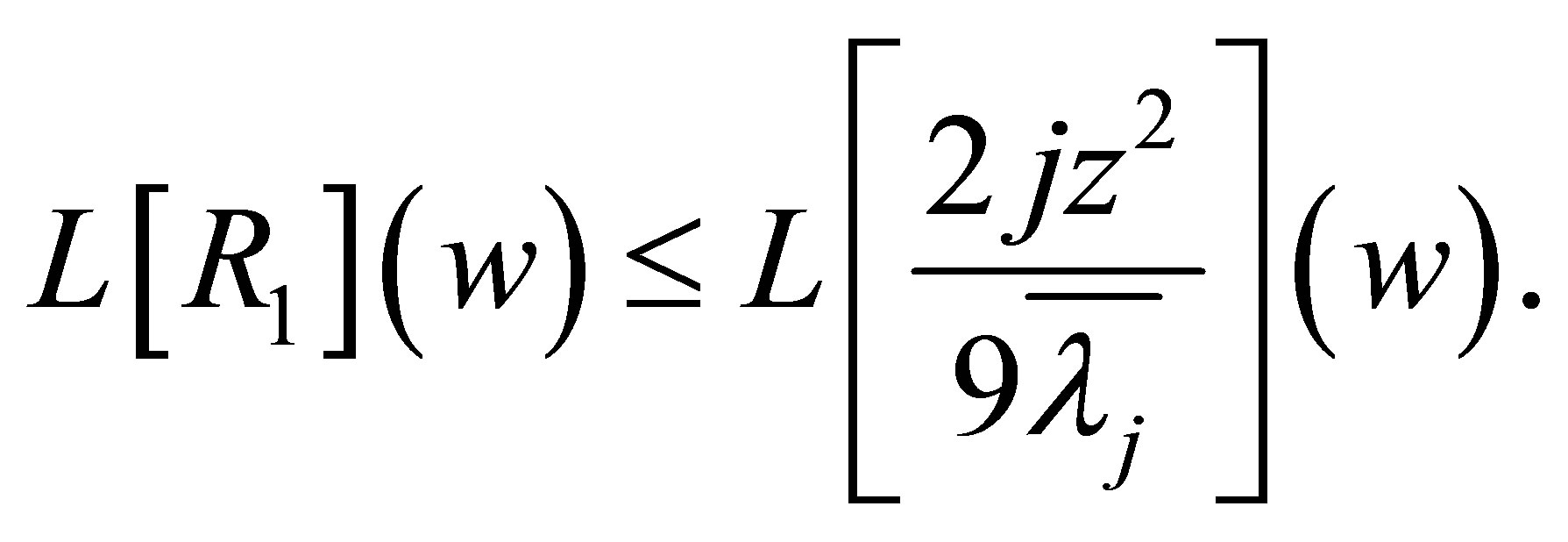 (5.2)
Now let us calculate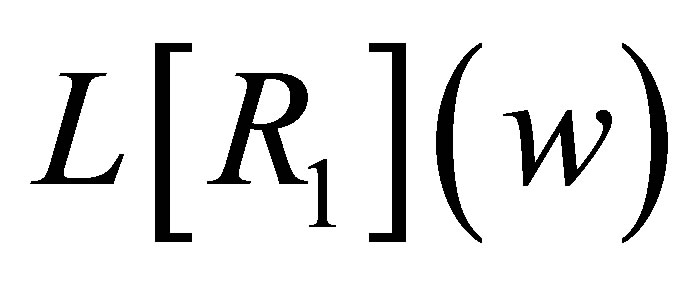 . Since

is piecewise linear function of , it implies that the maximizing value of
 in the Legendre transform of
 is attained at one of the critical values.
In fact if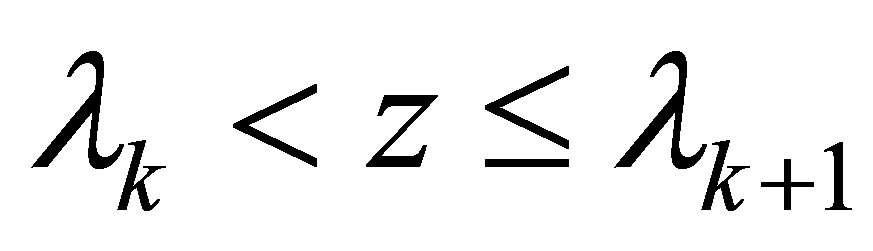 , then

Noting that the maximizing value of 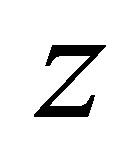 is a nondecreasing function of
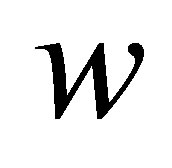 , we see
 , therefore the critical value
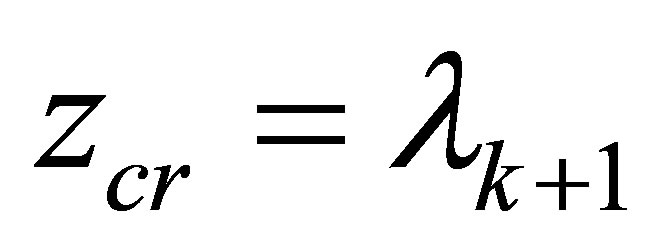 .
It is easy to check  and
 (5.3)
Next we calculate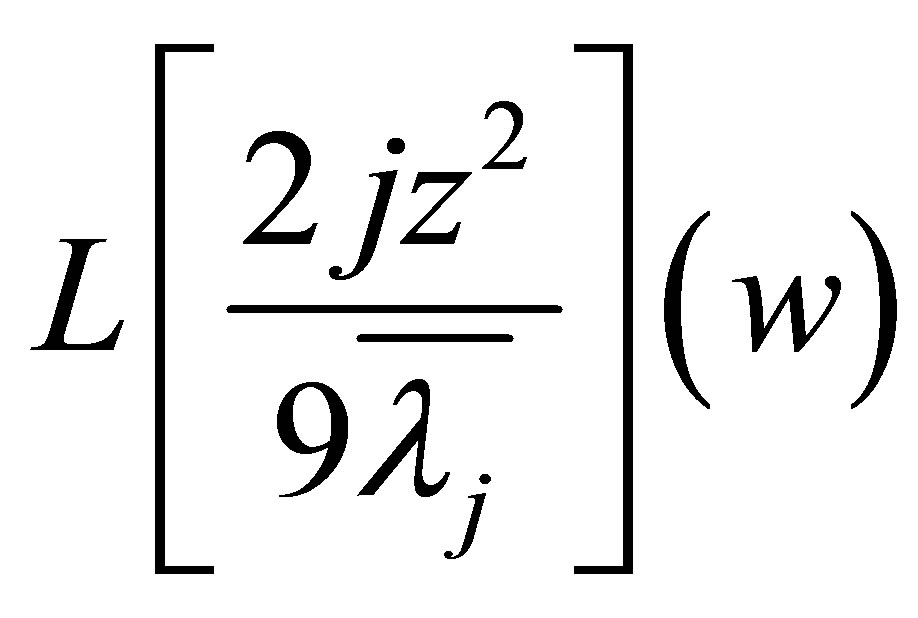 . Noting

and letting
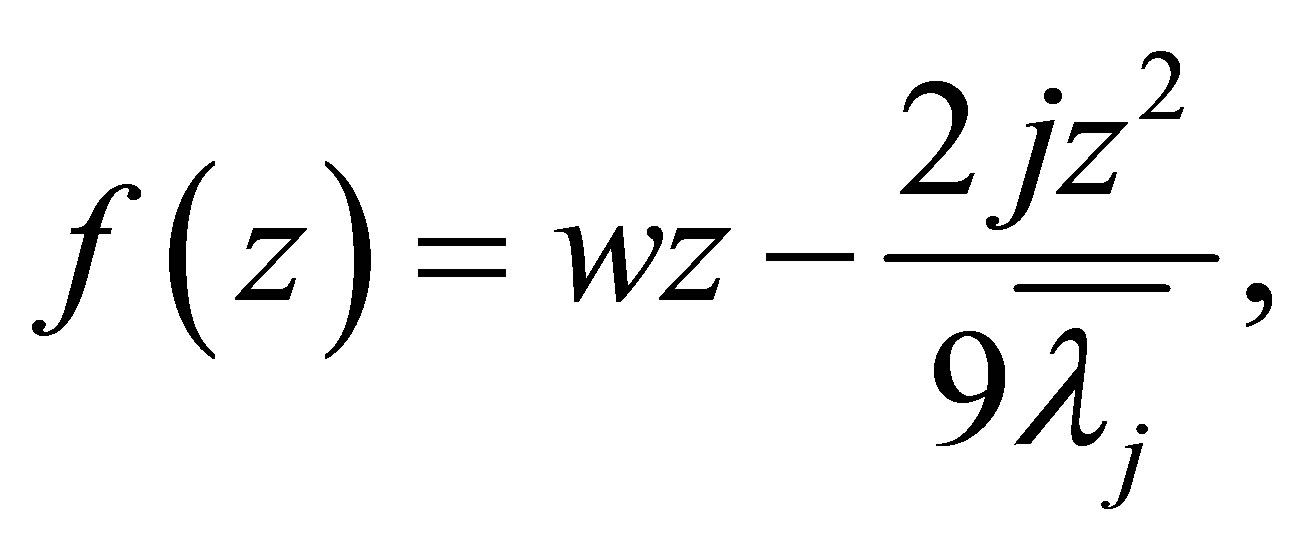
we know . By
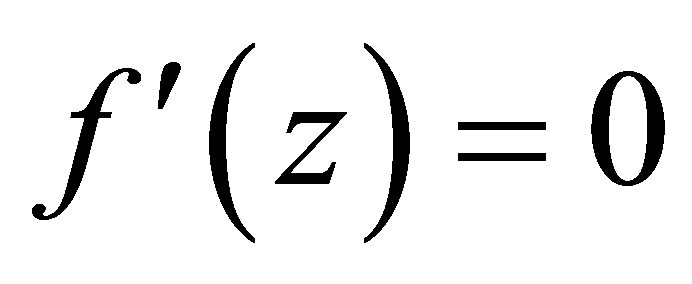 , it solves
 (5.4)
Therefore
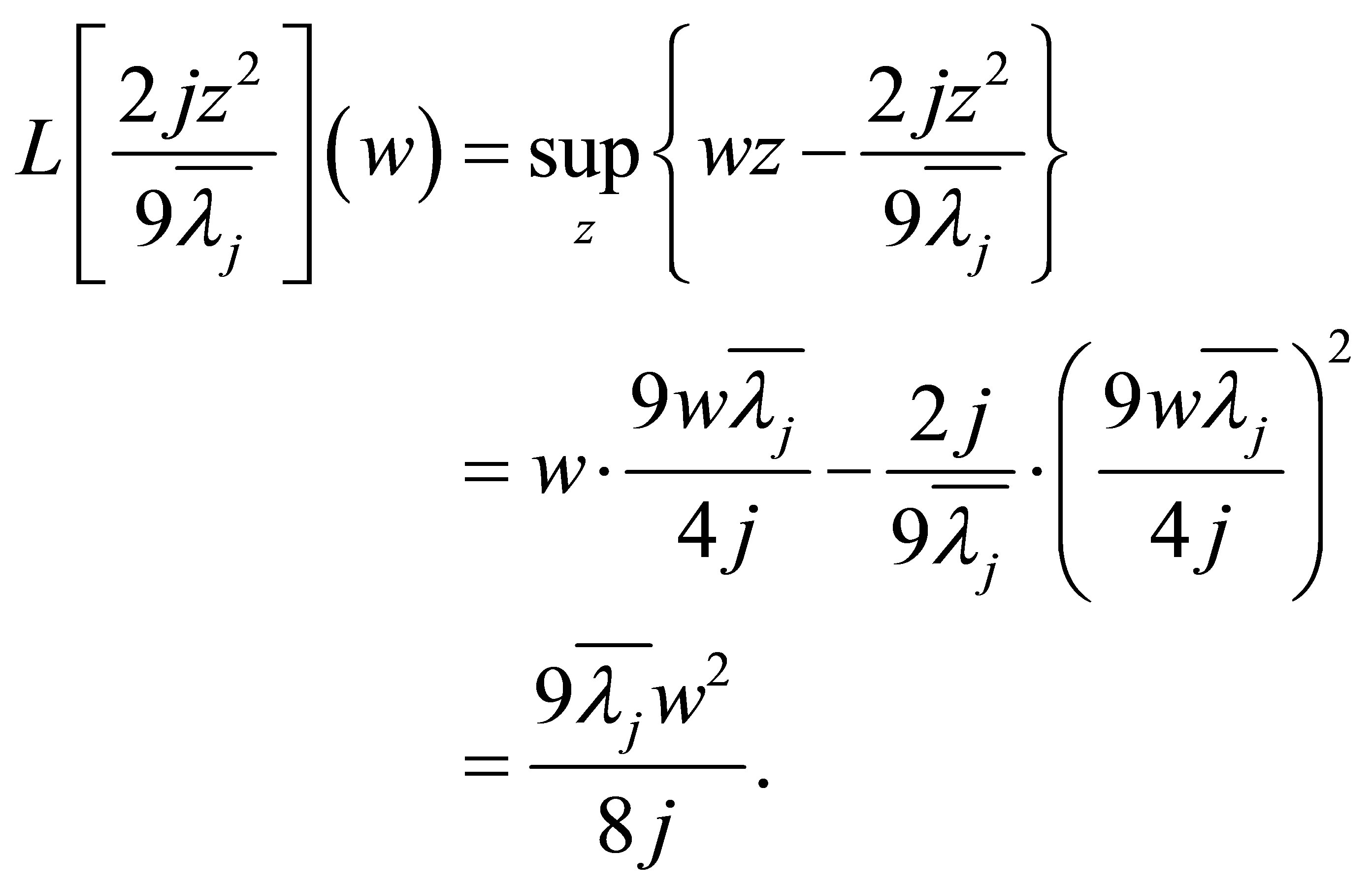 (5.5)
Taking (5.3) and (5.5) into (5.2), we have
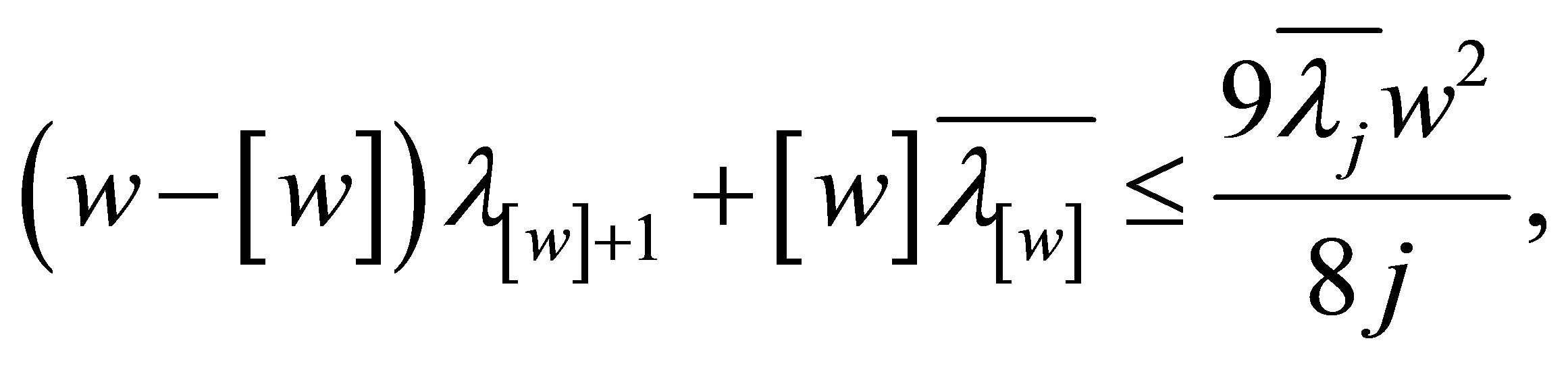 (5.6)
By (5.4), it has

From Theorem 1.2,  , so
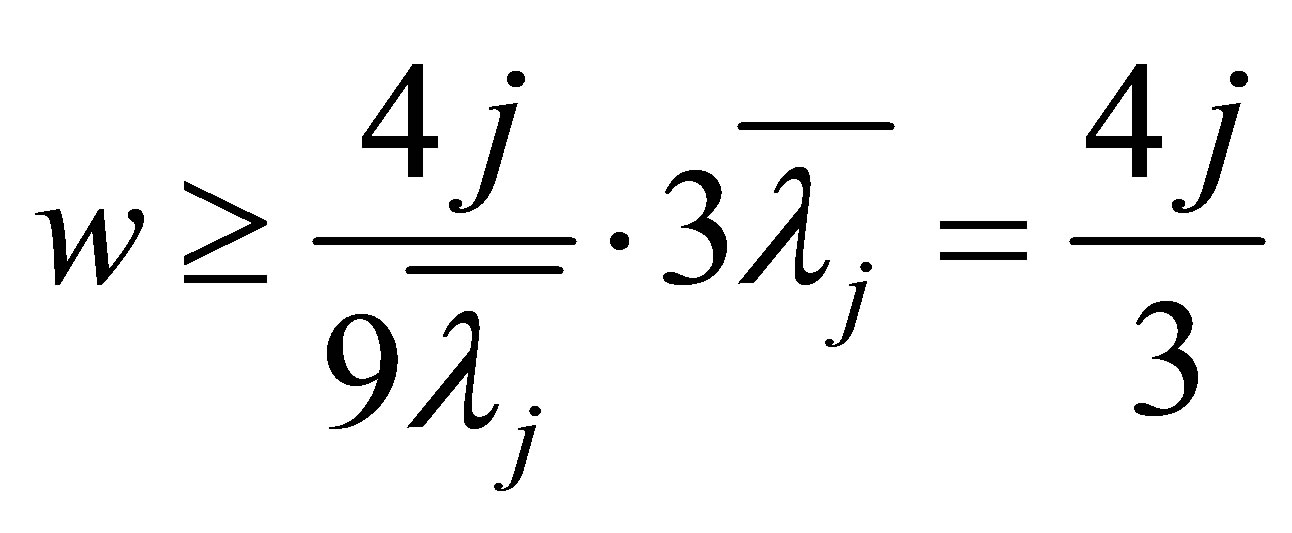 .
Then it follows that if w is restricted to the value then (5.6) is valid.
Meanwhile, for any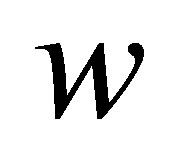 , we can always find an integer
 such that
 and
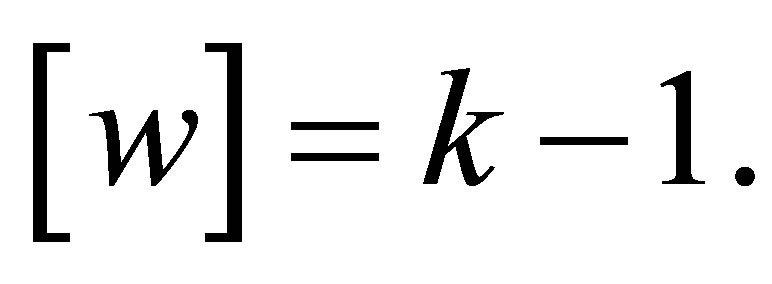
If 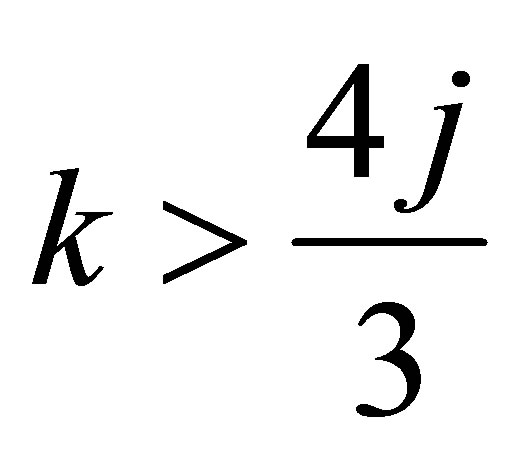 and
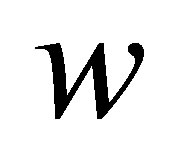 approaches to
 from belowthen we obtain from (5.5) that

Therefore
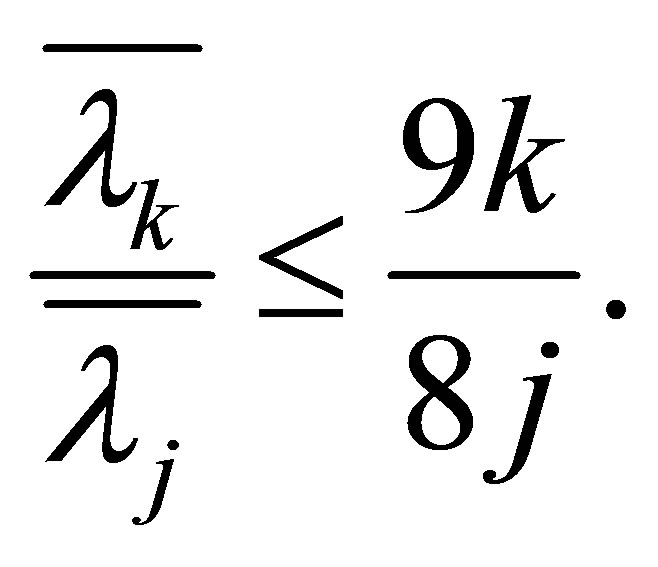
and Theorem 1.3 is proved.
Remark 5.3 If we let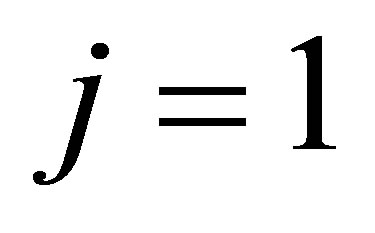 , then
 (5.7)
We point out that (5.7) is sharper than (4.4). In fact, we get from (4.4) that

and
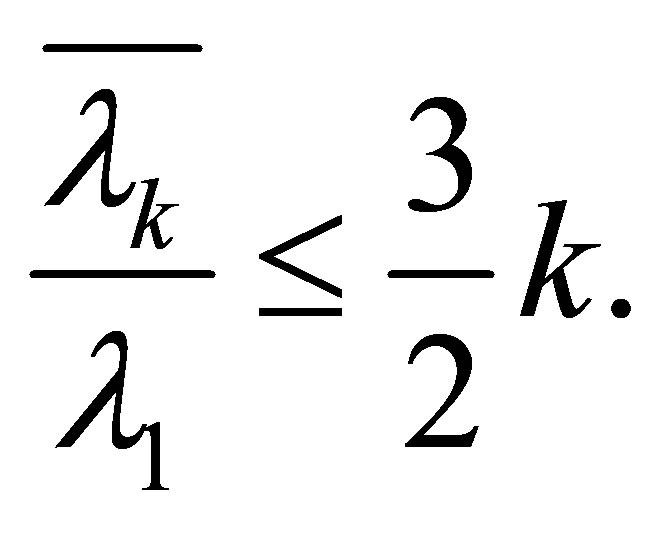
But  is always valid, so (5.7) is sharper than (4.4).
REFERENCES
- N. Garofalo and F. Tournier, “New Properties of Convex Functions in the Heisenberg Group,” Transactions of the American Mathematical Society, Vol. 358, No. 5, 2005, pp. 2011-2055. http://dx.doi.org/10.1090/S0002-9947-05-04016-X
- X. Luo and P. Niu, “Eigenvalues Problems for Square Sum Operators Consisting of Vector Fields,” Mathematica Applicata, Vol. 10, No. 4, 1997, pp. 101-104.
- E. M. Harrell and L. Hermi, “On Riesz Means of Eigenvalues,” Communications in Partial Differential Equations, Vol. 36, No. 9, 2011, pp. 1521-1543. http://dx.doi.org/10.1080/03605302.2011.595865
- Yu. G. Safarov, “Riesz Means of the Distribution Function of the Eigenvalues of an Elliptic Operator,” Journal of Soviet Mathematics, Vol. 49, No. 5, 1990, pp. 1210- 1212. http://dx.doi.org/10.1007/BF02208718
- B. Helffer and D. Robert, “Riesz Means of Bound States and Semicalassical Limit Connected with a Lieb-Thirring’s Conjecture,” Asymptotic Analysis, Vol. 3, No. 2, 1990, pp. 91-103.
- E. M. Harrell II and L. Hermi, “Differential Inequalities for Riesz Means and Weyl-Type Bounds for Eigenvalues,” Journal of Functional Analysis, Vol. 254, No. 12, 2008, pp. 3171-3191. http://dx.doi.org/10.1016/j.jfa.2008.02.016
- G. Jia, J. Wang and Y. Xiong, “On Riesz Inequalities for Subelliptic Laplacian,” Applied Mathematics, Vol. 2, No. 6, 2011, pp. 694-698. http://dx.doi.org/10.4236/am.2011.26091
- M. S. Ashbaugh and R. D. Benguria, “More Bounds on Eigenvalues Ratios for Dirichlet Laplacians in n Dimensions,” SIAM Journal on Mathematical Analysis, Vol. 24, 1993, pp. 1622-1651. http://dx.doi.org/10.1137/0524091
- E. M. Harrell II and J. Stubbe, “On Trace Identities and Universal Eigenvalues Estimates for Some Partial Differential Operators,” Transactions of the American Mathematical Society, Vol. 349, No. 5, 1997, pp pp. 1797- 1809. http://dx.doi.org/10.1090/S0002-9947-97-01846-1
- P. Lvy-Bruhl, “Rsolubilit Locale et Global d’Opra-Teurs Invariants du Second Order sur des Group de Lie Nilpotents,” Bulletin des Sciences Mathématiques, Vol. 104, No. 2, 1980, pp. 369-391.
- A. Laptev and T. Weidl, “Sharp Lieb-Thirring Inequalities in High Dimensions,” Acta Mathematica, Vol. 184, No. 1, 2000, pp. 87-111. http://dx.doi.org/10.1007/BF02392782